
What is the shear strength of a mechanical joint pipe base?
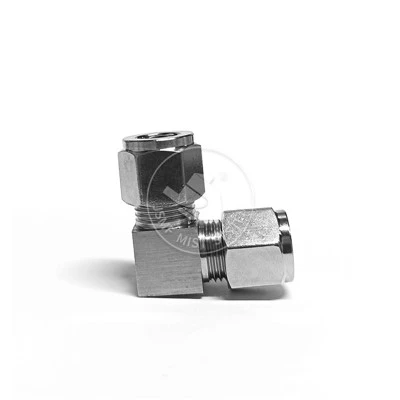
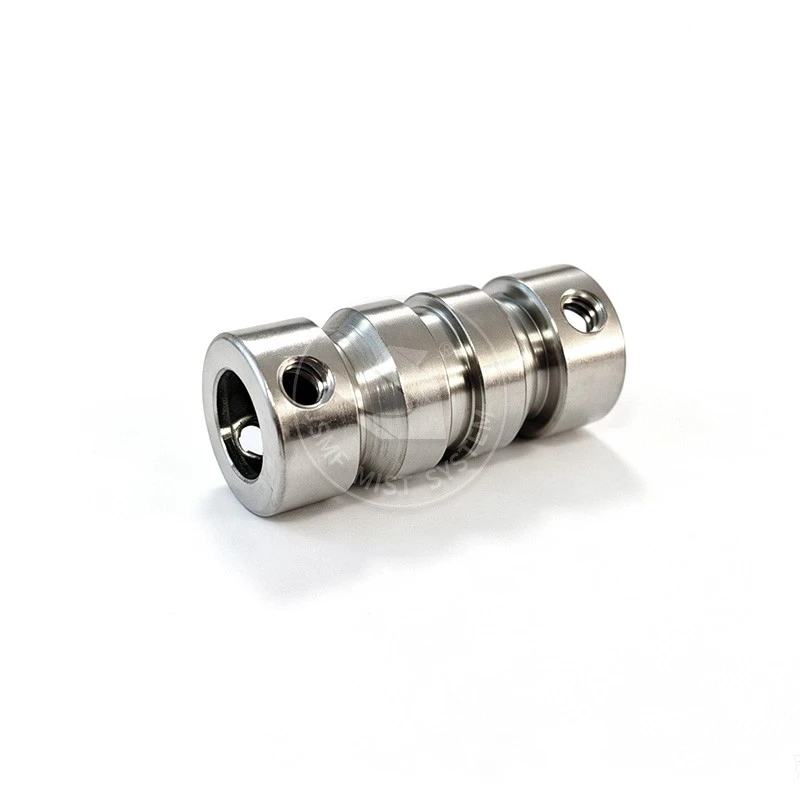
As a supplier of Mechanical Joint Pipe Base, I often encounter inquiries about the shear strength of these products. Understanding the shear strength of a mechanical joint pipe base is crucial for ensuring the safety and reliability of piping systems in various applications.
Definition of Shear Strength
Shear strength refers to the maximum amount of shear stress that a material can withstand before it fails. In the context of a mechanical joint pipe base, shear stress occurs when forces act parallel to the cross - section of the joint, causing one part of the joint to slide relative to the other. This can happen due to external loads such as seismic activity, ground movement, or improper installation.
Factors Affecting Shear Strength
- Material Properties
- The material used to manufacture the mechanical joint pipe base plays a significant role in determining its shear strength. For example, ductile iron is a commonly used material for pipe bases. It has good mechanical properties, including high tensile and shear strength. Ductile iron contains graphite nodules, which enhance its ductility and toughness, allowing it to withstand higher shear forces compared to some other materials.
- Stainless steel is another option. It offers excellent corrosion resistance and relatively high shear strength. However, the specific grade of stainless steel can affect its mechanical properties. For instance, austenitic stainless steels generally have good ductility and shear strength, while ferritic stainless steels may have lower ductility and different shear strength characteristics.
- Joint Design
- The design of the mechanical joint itself is crucial. A well - designed joint will distribute the shear forces evenly across the contact surfaces. For example, some mechanical joint pipe bases use a gasket system. The gasket helps to seal the joint and also provides some resistance to shear forces. A properly compressed gasket can prevent the joint from slipping under shear stress.
- The shape and dimensions of the joint components also matter. A joint with a larger contact area between the pipe and the base will generally have a higher shear strength. This is because the larger area allows for a more even distribution of the shear forces.
- Installation Quality
- Incorrect installation can significantly reduce the shear strength of a mechanical joint pipe base. If the pipes are not properly aligned during installation, the shear forces may be concentrated in certain areas, leading to premature failure. For example, if a pipe is installed at an angle to the base, the shear stress will be unevenly distributed, and the joint may fail under relatively low loads.
- The tightening torque of the bolts or fasteners used in the joint is also critical. If the bolts are not tightened to the recommended torque, the joint may not be properly secured, and it will be more susceptible to shear failure.
Measuring Shear Strength
There are several methods to measure the shear strength of a mechanical joint pipe base. One common method is through laboratory testing. In a laboratory, a sample of the joint is subjected to a controlled shear force until it fails. The maximum shear force applied before failure is recorded, and the shear strength is calculated by dividing this force by the cross - sectional area of the joint.
Another approach is through numerical simulations. Using finite element analysis (FEA) software, engineers can model the mechanical joint pipe base and simulate the application of shear forces. This allows them to predict the shear strength and identify potential areas of weakness in the joint design.
Importance of Shear Strength in Piping Systems
- Safety
- In critical applications such as water supply systems, gas pipelines, and industrial piping, the shear strength of the mechanical joint pipe base is essential for safety. A joint with insufficient shear strength can fail under normal operating conditions or during unexpected events such as earthquakes. This can lead to leaks, which may cause environmental damage, property loss, and even endanger human lives.
- Reliability
- A piping system with joints that have adequate shear strength is more reliable. It can withstand the normal wear and tear, as well as the occasional external forces, without failing. This reduces the need for frequent maintenance and repairs, saving time and money in the long run.
Our Product Offerings
As a supplier of Mechanical Joint Pipe Base, we offer a wide range of products designed to meet different requirements. Our mechanical joint pipe bases are made from high - quality materials, ensuring excellent shear strength and durability.
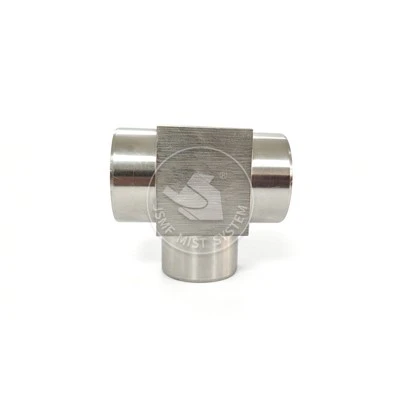
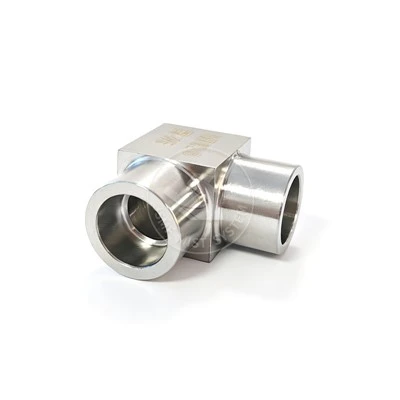
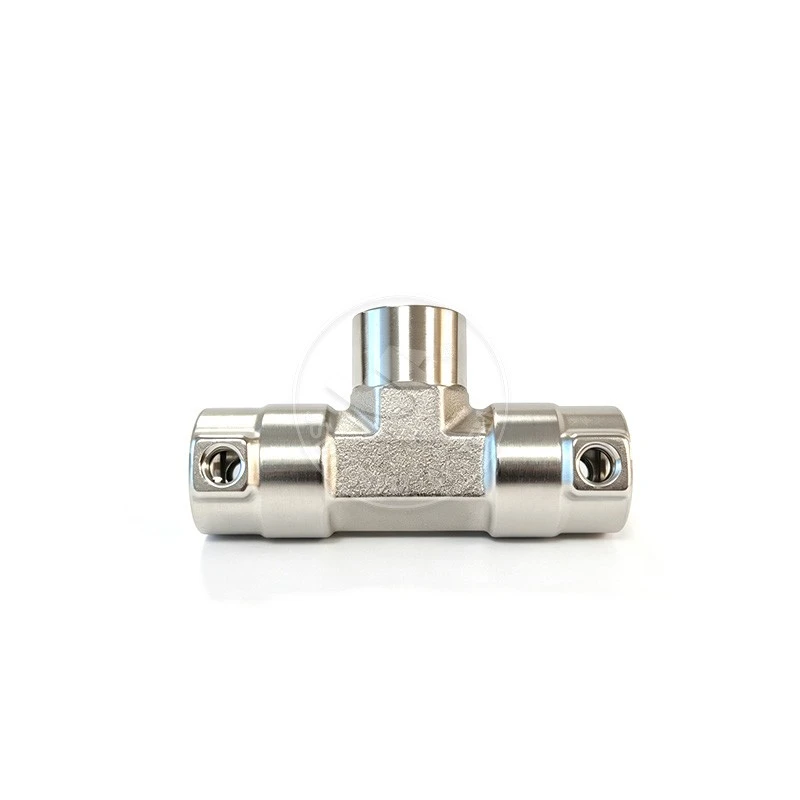
We also provide related products such as Mechanical Joint Tee, Mechanical Joint Elbow, and Mechanical Joint Coupling. These products are designed to work together seamlessly, providing a complete solution for your piping needs.
Contact for Procurement
If you are in the market for mechanical joint pipe bases or related products, we encourage you to contact us for procurement and further discussions. Our team of experts can provide you with detailed information about our products, including their shear strength, installation requirements, and pricing. We are committed to providing high - quality products and excellent customer service.
References
- Callister, W. D., & Rethwisch, D. G. (2018). Materials Science and Engineering: An Introduction. Wiley.
- ASME B31.3 Process Piping Code. American Society of Mechanical Engineers.