
Hey there, folks! As a supplier of Butt Weld Pipe Tees, I often get asked about the installation requirements for these nifty fittings in vertical pipelines. So, I thought I'd put together a blog post to share some insights and tips.
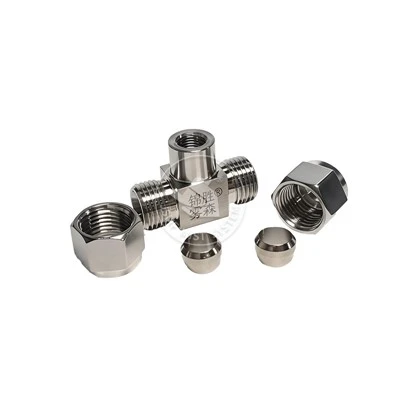
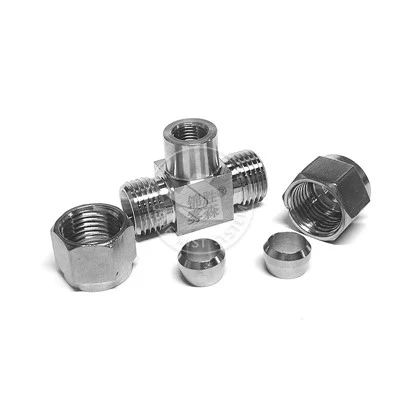
First off, let's talk about what a Butt Weld Pipe Tee is. It's a type of pipe fitting that has a T-shaped design, allowing for the connection of three pipes at a 90-degree angle. These tees are commonly used in various industries, including oil and gas, chemical processing, and water treatment, to name a few.
Now, when it comes to installing a Butt Weld Pipe Tee in a vertical pipeline, there are several important requirements to keep in mind. Let's break them down one by one.
1. Pipe Material and Size Compatibility
The first thing you need to ensure is that the Butt Weld Pipe Tee you choose is compatible with the pipe material and size of your vertical pipeline. The tee and the pipes should be made of the same material to prevent corrosion and ensure a proper weld. For example, if your pipeline is made of stainless steel, the tee should also be stainless steel.
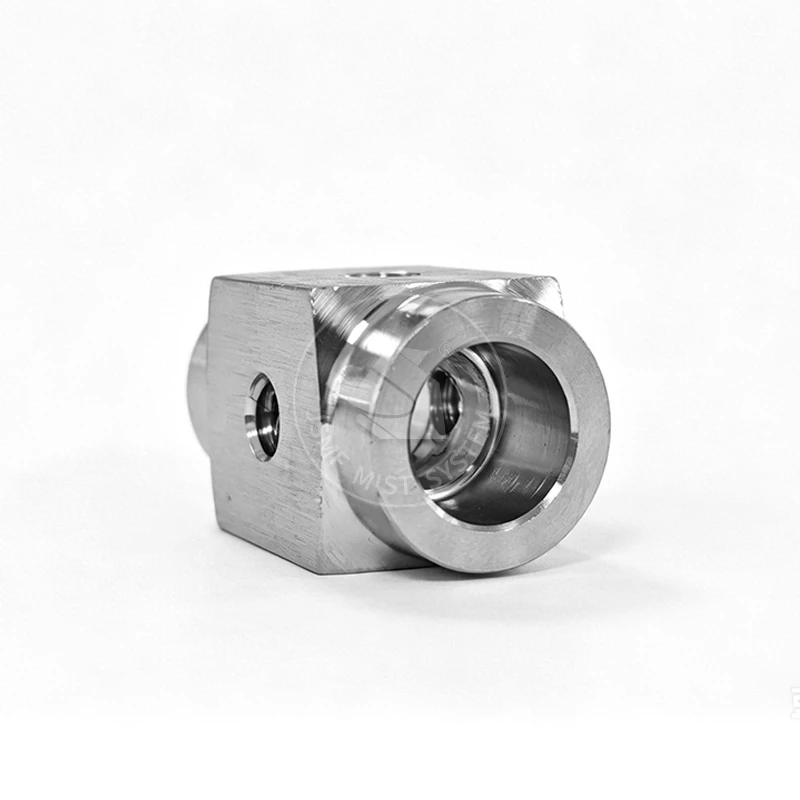
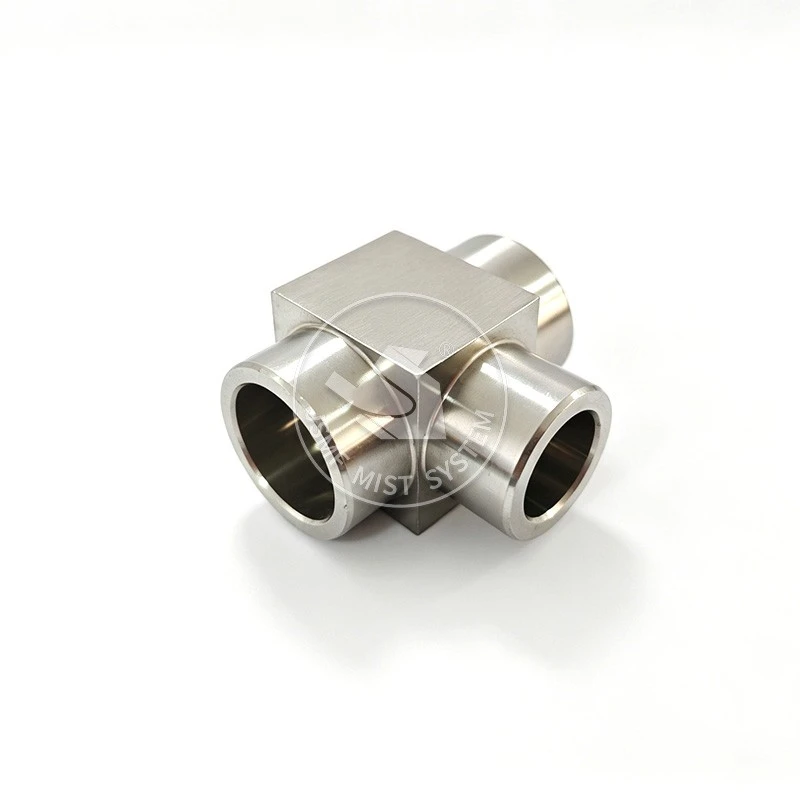
In terms of size, the tee should have the same nominal pipe size (NPS) as the pipes it will be connected to. This ensures a proper fit and a smooth flow of fluid through the pipeline. You can check the NPS of your pipes by referring to the pipe schedule or by measuring the outside diameter of the pipes.
2. Pipe Alignment and Support
Proper alignment is crucial when installing a Butt Weld Pipe Tee in a vertical pipeline. The tee should be aligned perfectly with the pipes to ensure a straight and leak-free connection. Any misalignment can lead to stress on the weld joints, which can cause leaks or even pipe failure over time.
To achieve proper alignment, you can use pipe alignment tools such as clamps or alignment rings. These tools help to hold the pipes in place and ensure that they are in the correct position before welding.
In addition to alignment, you also need to provide adequate support for the pipes and the tee. In a vertical pipeline, the weight of the fluid and the pipes themselves can put a lot of stress on the fittings. Therefore, it's important to use pipe supports, such as hangers or brackets, to prevent the pipes from sagging or bending.
3. Welding Requirements
Welding is a critical step in the installation of a Butt Weld Pipe Tee. The quality of the weld directly affects the integrity and performance of the pipeline. Here are some important welding requirements to follow:
- Welding Process: The most common welding process used for butt welding pipe tees is the Gas Tungsten Arc Welding (GTAW) or the Shielded Metal Arc Welding (SMAW). The choice of welding process depends on the pipe material, thickness, and the specific requirements of the project.
- Welding Procedure Specification (WPS): A WPS is a detailed document that outlines the specific welding parameters, such as welding current, voltage, welding speed, and filler metal type. It's important to follow the WPS during the welding process to ensure a high-quality weld.
- Welding Certification: The welders performing the welding should be certified and qualified to perform the specific type of welding required for the project. This ensures that the welds are made to the required standards and specifications.
- Post-Weld Heat Treatment (PWHT): In some cases, post-weld heat treatment may be required to relieve stress and improve the mechanical properties of the weld. The need for PWHT depends on the pipe material, thickness, and the specific requirements of the project.
4. Inspection and Testing
After the Butt Weld Pipe Tee is installed, it's important to conduct a thorough inspection and testing to ensure that the installation meets the required standards and specifications. Here are some common inspection and testing methods:
- Visual Inspection: Visual inspection is the simplest and most common method of inspection. It involves visually checking the weld joints for any defects, such as cracks, porosity, or insufficient penetration.
- Non-Destructive Testing (NDT): NDT methods, such as ultrasonic testing, radiographic testing, and magnetic particle testing, can be used to detect internal defects in the weld joints that may not be visible to the naked eye.
- Pressure Testing: Pressure testing is used to ensure that the pipeline can withstand the design pressure without leaking. The pipeline is filled with a test fluid, such as water or air, and pressurized to a specified level. Any leaks or defects can be detected by monitoring the pressure and looking for signs of fluid leakage.
5. Safety Precautions
Finally, it's important to follow all safety precautions during the installation of a Butt Weld Pipe Tee in a vertical pipeline. Welding involves the use of high temperatures and electrical equipment, which can pose a significant safety risk. Here are some safety precautions to follow:
- Personal Protective Equipment (PPE): Wear appropriate PPE, such as welding helmets, gloves, and protective clothing, to protect yourself from the heat, sparks, and fumes generated during the welding process.
- Ventilation: Ensure that the work area is well-ventilated to prevent the accumulation of welding fumes and gases.
- Fire Prevention: Keep a fire extinguisher nearby and follow all fire prevention procedures to prevent the risk of fire.
- Electrical Safety: Ensure that all electrical equipment is properly grounded and in good working condition to prevent the risk of electric shock.
Well, there you have it, folks! Those are the main installation requirements for a Butt Weld Pipe Tee in a vertical pipeline. If you're in the market for high-quality Butt Weld Pipe Tees or other pipe fittings, I'd love to help. You can check out our products at Butt Weld Pipe Tee. We also offer Butt Weld Pipe Base, Butt Weld Pipe Elbow, and Butt Weld Pipe Extension Base.
If you have any questions or need more information, feel free to reach out. We're here to assist you with all your pipe fitting needs and look forward to discussing potential procurement opportunities with you.
References
- ASME B16.9 - Factory-Made Wrought Steel Buttwelding Fittings
- API 5L - Specification for Line Pipe
- AWS D1.1 - Structural Welding Code - Steel