
What is the fatigue life of a Mechanical Joint Tee?
As a supplier of Mechanical Joint Tees, I often encounter inquiries from customers regarding the fatigue life of these essential pipe - fitting components. Understanding the fatigue life of a Mechanical Joint Tee is crucial for ensuring the long - term reliability and safety of piping systems, whether in industrial, commercial, or residential applications.
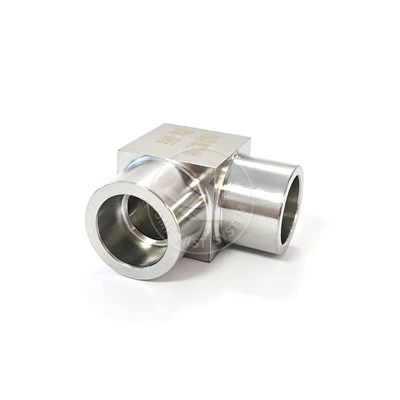
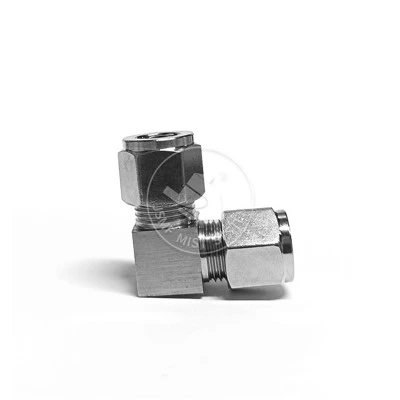
A Mechanical Joint Tee is a specialized pipe fitting that enables the connection of three pipes at a right - angle or a different angle depending on the design. It is widely used in various fluid conveyance systems, such as water supply networks, sewage systems, and industrial pipelines for transporting chemicals and gases. The fatigue life of this fitting refers to the number of loading cycles it can withstand before failure occurs due to repeated stress.
Factors Affecting the Fatigue Life of a Mechanical Joint Tee
Several factors play significant roles in determining the fatigue life of a Mechanical Joint Tee.
Material Quality: The material from which the Mechanical Joint Tee is made is of utmost importance. Commonly used materials include ductile iron, stainless steel, and PVC. Ductile iron is known for its high strength and good fatigue resistance. It can withstand a large number of stress cycles without significant degradation. Stainless steel offers excellent corrosion resistance, which is vital in environments where the fitting may be exposed to corrosive substances. PVC is lightweight and cost - effective, but its fatigue resistance may be lower compared to metal materials. High - quality materials with proper manufacturing processes, such as controlled casting and heat treatment for metals, can significantly enhance the fatigue life of the tee.
Design and Geometry: The design of the Mechanical Joint Tee also affects its fatigue performance. A well - designed tee will have smooth transitions between the branches and the main pipe, reducing stress concentrations. Sharp corners or sudden changes in cross - section can act as stress raisers, accelerating the initiation and propagation of cracks under cyclic loading. Additionally, the wall thickness of the tee is a critical design parameter. Adequate wall thickness can distribute the stress more evenly, increasing the fatigue life.
Operating Conditions: The conditions under which the Mechanical Joint Tee operates have a profound impact on its fatigue life. For example, the pressure and temperature of the fluid flowing through the pipe can cause thermal and mechanical stresses. High - pressure systems subject the tee to greater stress, which can reduce its fatigue life. Fluctuations in pressure and temperature also induce cyclic stresses. The type of fluid being transported, such as corrosive chemicals or abrasive slurries, can further deteriorate the material over time, decreasing the fatigue resistance. Vibration in the piping system, which can be caused by pumps, compressors, or fluid flow characteristics, can also contribute to fatigue failure.
Calculating the Fatigue Life of a Mechanical Joint Tee
Calculating the exact fatigue life of a Mechanical Joint Tee is a complex process that typically involves mechanical engineering principles and material testing. Engineers often use fatigue analysis methods, such as the stress - life approach or the strain - life approach.
The stress - life approach is based on the relationship between the applied stress and the number of cycles to failure. This method requires knowledge of the stress - amplitude spectrum, which can be obtained through stress analysis of the piping system using finite element analysis (FEA). FEA is a powerful tool that can simulate the behavior of the Mechanical Joint Tee under different loading conditions and predict the stress distribution within the component.

The strain - life approach is more suitable for predicting fatigue life in situations where plastic deformation occurs. It considers the local strain at potential crack initiation sites and correlates it with the number of cycles to failure. Material testing is essential for both approaches. Tests such as strain - controlled or stress - controlled fatigue tests are conducted on specimens made from the same material as the Mechanical Joint Tee to obtain the necessary fatigue data.
Importance of Understanding Fatigue Life for Customers
For customers, understanding the fatigue life of a Mechanical Joint Tee is crucial for proper system design and maintenance. In industrial settings, a premature failure of a tee can lead to costly downtime, product loss, and potential safety hazards. For example, in a chemical plant, a leaking tee can result in the release of hazardous chemicals, endangering the environment and the health of workers.
In water supply and sewage systems, a failed tee can cause water leakage, leading to property damage and disruption of water services. By knowing the expected fatigue life of the tee, customers can plan for timely replacements and maintenance, reducing the risk of unexpected failures.
Our Offerings as a Mechanical Joint Tee Supplier
As a supplier of Mechanical Joint Tees, we are committed to providing high - quality products with long fatigue lives. Our tees are made from top - grade materials, and we employ strict quality control measures throughout the manufacturing process. We have a team of experienced engineers who can assist customers in selecting the right tee for their specific applications. We can perform detailed stress analysis using advanced FEA software to ensure that the tee can withstand the expected loading conditions.
In addition to Mechanical Joint Tees, we also offer a wide range of related products, such as Mechanical Joint Coupling, Mechanical Joint Pipe Base, and Mechanical Joint Elbow. These products are designed to work seamlessly with our tees, providing a complete solution for piping systems.
Why Choose Our Products
Our Mechanical Joint Tees have been rigorously tested to ensure their durability and performance. We understand the importance of fatigue life in the long - term operation of piping systems. Therefore, we continuously invest in research and development to improve the fatigue resistance of our products.
We also offer excellent customer service. Our sales team is always ready to answer your questions and provide technical support. Whether you are a small - scale contractor or a large - scale industrial enterprise, we can meet your needs.
If you are in the market for high - quality Mechanical Joint Tees or related products, we encourage you to reach out to us. We can provide detailed product information, quotations, and even customized solutions according to your specific requirements. Contact us today to start a procurement discussion and find the best piping solutions for your projects.
References
- Dowling, N. E. (1999). Mechanical Behavior of Materials: Engineering Methods for Deformation, Fracture, and Fatigue. Prentice Hall.
- Shigley, J. E., Mischke, C. R., & Budynas, R. G. (2004). Mechanical Engineering Design. McGraw - Hill.
- ASME Boiler and Pressure Vessel Code. American Society of Mechanical Engineers.