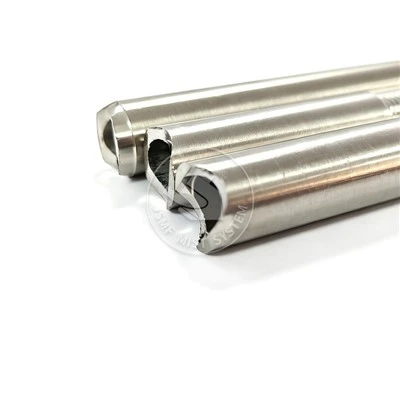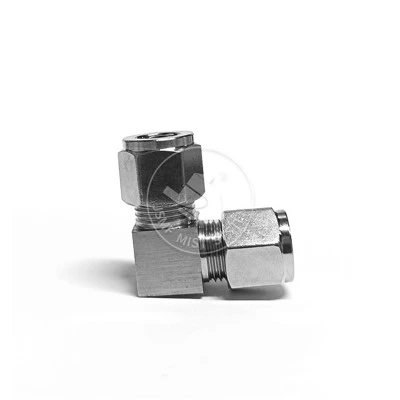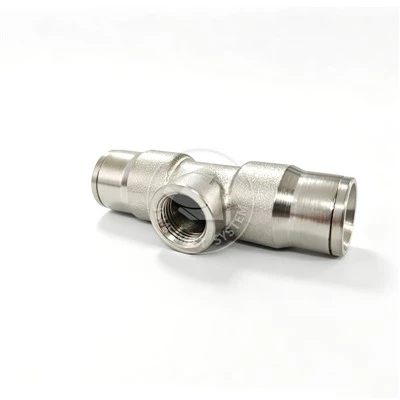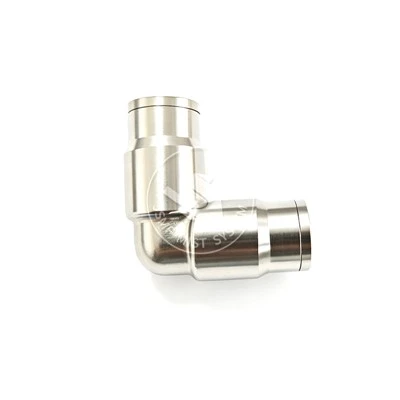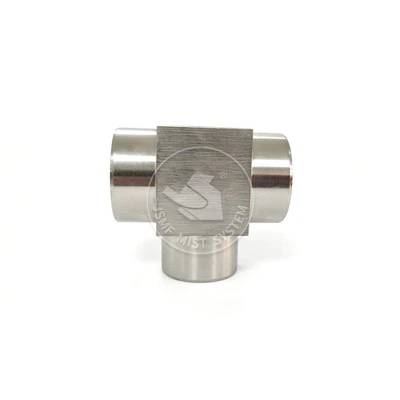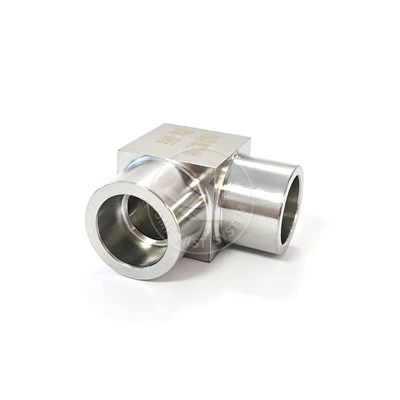

As a supplier of latch-type connection pieces, I understand the challenges that come with storing a large quantity of these items. Latch-type connection pieces, such as Snap-on Pipe Elbow, Snap-on Pipe Extension Base, Snap-on Pipe Base, and Snap-on Pipe Three-way Connector, are essential components in various industries, including plumbing, construction, and manufacturing. Proper storage not only ensures the quality and integrity of these pieces but also enhances efficiency in inventory management.
Understanding the Characteristics of Latch-Type Connection Pieces
Before delving into storage methods, it is crucial to understand the characteristics of latch-type connection pieces. These pieces are typically made of materials such as plastic, metal, or a combination of both. They come in different shapes, sizes, and designs, each with specific functions. For example, snap-on pipe elbows are used to change the direction of a pipe, while three-way connectors allow for the branching of pipes.
The latch mechanism is a key feature of these connection pieces, which provides a secure and reliable connection. However, this mechanism can be sensitive to damage if not handled properly. Additionally, the surfaces of these pieces may be prone to scratching, which can affect their performance and appearance.
Factors to Consider in Storage
When storing a large quantity of latch-type connection pieces, several factors need to be considered:
1. Environmental Conditions
The storage environment plays a significant role in maintaining the quality of the connection pieces. Temperature and humidity are two critical factors. Extreme temperatures can cause the materials to expand or contract, leading to deformation or damage to the latch mechanism. High humidity can promote corrosion, especially for metal components. Therefore, it is recommended to store the pieces in a controlled environment with a stable temperature and low humidity.
2. Protection from Physical Damage
Latch-type connection pieces are vulnerable to physical damage, such as scratches, dents, and breakage. To prevent this, they should be stored in a way that minimizes contact with other objects. Using protective packaging, such as plastic bags or foam inserts, can provide an extra layer of protection.
3. Organization and Accessibility
Efficient organization is essential for easy access to the connection pieces. This not only saves time but also reduces the risk of misplacing or losing items. Categorizing the pieces by type, size, and function can help streamline the storage process. Additionally, labeling the storage containers or shelves can make it easier to locate specific items.
Storage Methods
Based on the above factors, here are some effective storage methods for latch-type connection pieces:
1. Shelving Systems
Shelving systems are a popular choice for storing large quantities of items. They provide a stable and organized storage solution. When using shelving systems for latch-type connection pieces, it is important to choose shelves that are strong enough to support the weight of the items. Additionally, the shelves should be adjustable to accommodate different sizes of connection pieces.
To further protect the pieces, you can use dividers or bins on the shelves. Dividers can separate different types of connection pieces, while bins can be used to group smaller items together. This helps prevent the pieces from getting mixed up and makes it easier to access them.
2. Storage Cabinets
Storage cabinets offer a more enclosed and protected storage environment. They can help keep the connection pieces away from dust, moisture, and other contaminants. When selecting a storage cabinet, choose one with doors that can be locked to prevent unauthorized access.
Inside the cabinet, you can install shelves or drawers to organize the pieces. Drawers are particularly useful for storing smaller items, as they can be easily pulled out for access. You can also label the drawers or shelves to indicate the type of connection pieces stored in each.
3. Pallet Racking
For very large quantities of latch-type connection pieces, pallet racking may be a suitable option. Pallet racking allows for the storage of items on pallets, which can be stacked vertically to maximize space utilization. This method is ideal for warehouses or large storage facilities.


When using pallet racking, it is important to ensure that the pallets are properly secured to prevent them from toppling over. Additionally, the connection pieces should be stacked in a stable manner to avoid damage. You can use straps or shrink wrap to secure the items on the pallets.
4. Vertical Storage
Vertical storage is another space-saving option for storing latch-type connection pieces. This method involves using vertical racks or bins to store the pieces in a standing position. Vertical storage can be particularly useful for long or bulky items, such as pipe extensions.
To ensure the stability of the pieces in vertical storage, you can use supports or brackets to hold them in place. Additionally, the racks or bins should be strong enough to support the weight of the items.
Inventory Management
Proper inventory management is crucial for storing a large quantity of latch-type connection pieces. Here are some tips for effective inventory management:
1. Regular Inventory Checks
Conducting regular inventory checks can help you keep track of the quantity and condition of the connection pieces. This allows you to identify any issues, such as missing or damaged items, in a timely manner. You can use inventory management software to streamline the inventory check process and generate reports.
2. First-In, First-Out (FIFO) Method
The FIFO method is a common inventory management technique that ensures the oldest items are used or sold first. This helps prevent the accumulation of obsolete or expired items. When storing latch-type connection pieces, it is important to follow the FIFO method to ensure the freshness and quality of the items.
3. Barcode Scanning
Barcode scanning is a convenient and efficient way to manage inventory. By attaching barcodes to the storage containers or individual connection pieces, you can easily track their movement and location. Barcode scanning also reduces the risk of human error in inventory management.
Conclusion
Storing a large quantity of latch-type connection pieces requires careful planning and consideration. By understanding the characteristics of these pieces, considering the environmental factors, and using appropriate storage methods, you can ensure the quality and integrity of the items. Additionally, effective inventory management can help streamline the storage process and improve efficiency.
If you are in need of latch-type connection pieces or have any questions about storage and inventory management, please feel free to contact us for a procurement discussion. We are committed to providing high-quality products and excellent customer service.
References
- "Warehouse Storage Systems: A Comprehensive Guide" by John Doe
- "Inventory Management Best Practices" by Jane Smith