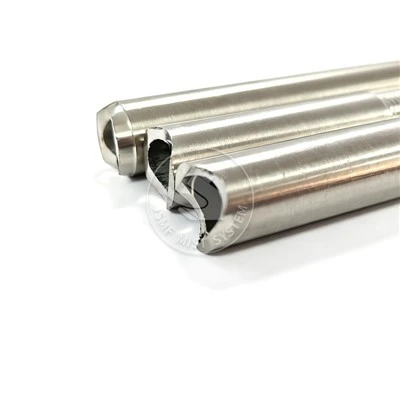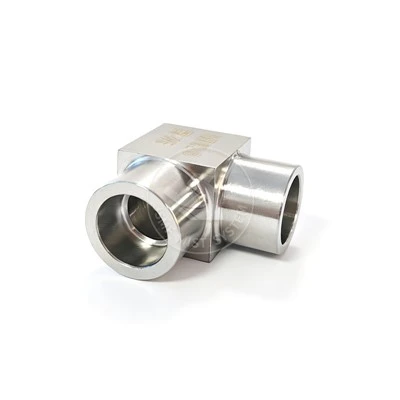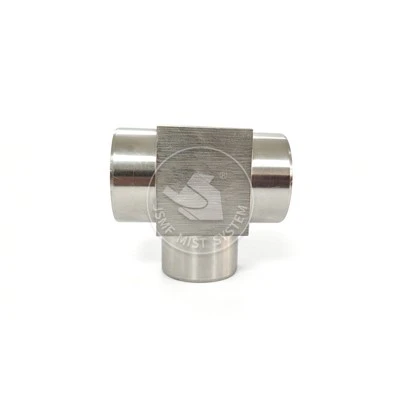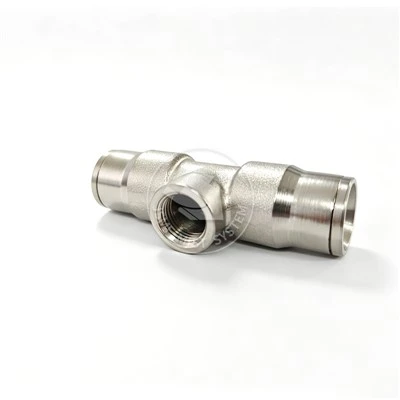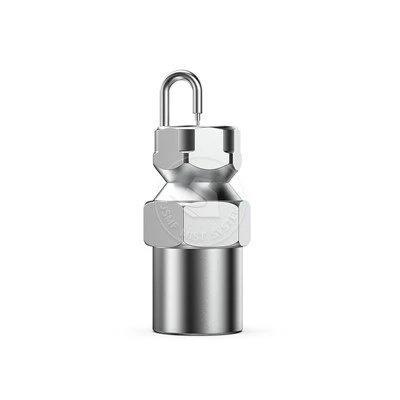

As a supplier of Butt Weld Pipe Bases, I've encountered numerous inquiries regarding the repair of damaged bases. In this blog, I'll share practical insights and step-by-step guidance on how to effectively repair a damaged Butt Weld Pipe Base.
Understanding the Importance of Butt Weld Pipe Bases
Before delving into the repair process, it's crucial to understand the significance of Butt Weld Pipe Bases. These components play a pivotal role in plumbing and industrial applications, providing a stable and secure connection for pipes. The Butt Weld Pipe Base is designed to ensure leak - proof joints and efficient flow of fluids or gases within the pipeline system.
In industrial settings, any damage to the pipe base can lead to costly shutdowns, material loss, and potential safety hazards. Therefore, timely and proper repair of a damaged Butt Weld Pipe Base is essential to maintain the integrity and functionality of the entire pipeline.
Identifying the Damage
The first step in repairing a damaged Butt Weld Pipe Base is to accurately identify the type and extent of the damage. Common types of damage include cracks, corrosion, and misalignment.
- Cracks: Cracks can occur due to excessive stress, temperature fluctuations, or improper installation. Visually inspect the base for any visible cracks, paying close attention to the weld seams and edges. Sometimes, small cracks may not be immediately visible, so you can use non - destructive testing methods such as ultrasonic testing or dye penetrant testing for a more thorough inspection.
- Corrosion: Corrosion is one of the most common issues in pipe bases, especially in environments with high humidity or exposure to corrosive substances. Check for signs of rust, pitting, or flaking paint on the surface of the base. Severe corrosion can weaken the structure of the base and lead to leaks.
- Misalignment: Misalignment can happen during installation or as a result of external forces. Check if the base is properly aligned with the connected pipes. You can use a level or a straightedge to determine if there is any deviation from the correct alignment.
Preparing for the Repair
Once the damage has been identified, it's time to prepare for the repair.
- Gather the necessary tools and materials: You'll need basic welding equipment such as a welding machine, welding rods, safety goggles, gloves, and a grinder. Depending on the type of damage, you may also need replacement parts, corrosion inhibitors, or alignment tools.
- Isolate the pipeline: Before starting any repair work, it's essential to isolate the pipeline to prevent the flow of fluids or gases. This can be done by closing the valves or using pipe plugs. Make sure to relieve any pressure in the pipeline to avoid accidents.
- Clean the damaged area: Use a grinder or a wire brush to remove any rust, paint, or debris from the damaged area. This will ensure better adhesion of the welding material and a stronger repair.
Repairing Cracks
If the damage is a crack in the Butt Weld Pipe Base, the following steps can be used for repair:
- Prepare the crack: Use a grinding wheel to create a V - shaped groove along the crack. This will provide a larger surface area for the welding material to bond to. Make sure the groove is clean and free of any contaminants.
- Weld the crack: Select the appropriate welding rod based on the material of the pipe base. For most steel pipe bases, a mild steel welding rod can be used. Start welding from one end of the crack and work your way to the other, using a steady and consistent motion. Apply enough heat to melt the welding rod and the base metal, creating a strong bond.
- Inspect the weld: After welding, visually inspect the weld for any signs of porosity, cracks, or incomplete fusion. You can also use non - destructive testing methods to ensure the quality of the weld. If any defects are found, the weld should be redone.
Repairing Corrosion
When dealing with corrosion on a Butt Weld Pipe Base, the following approach is recommended:
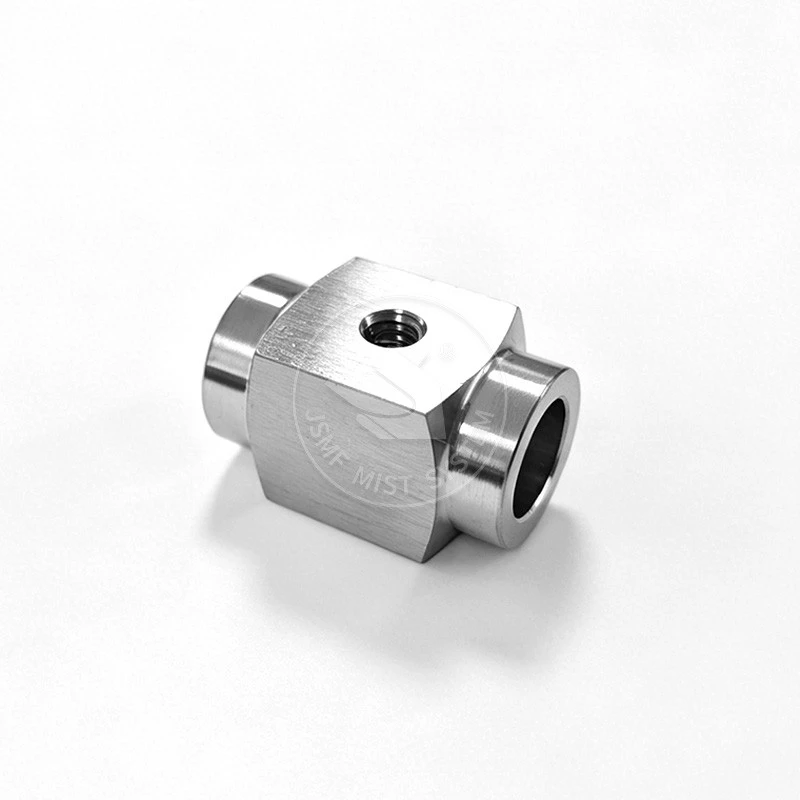
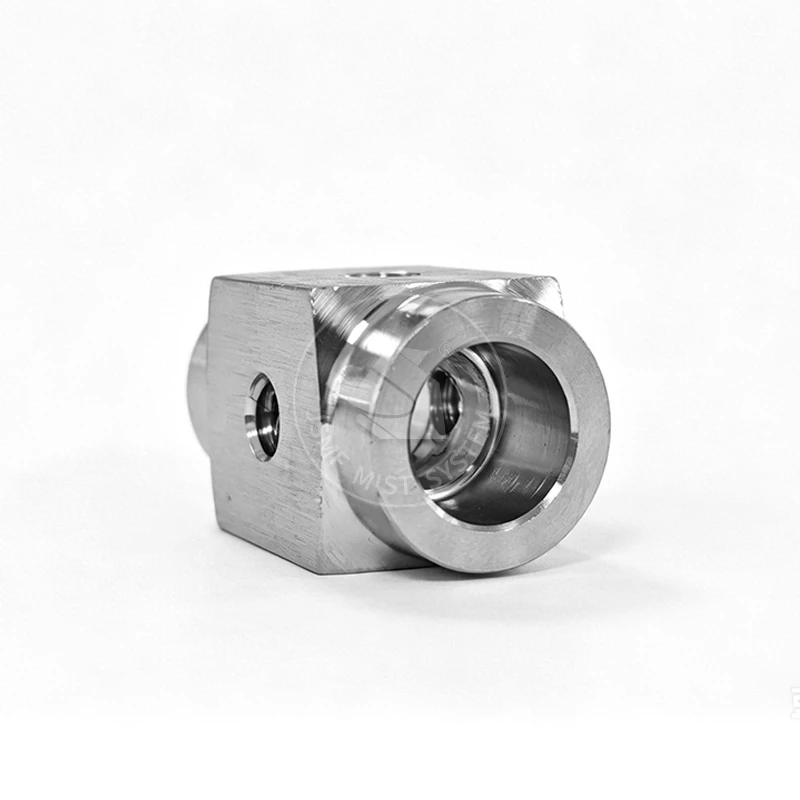
- Remove the corrosion: Use a grinder or a chemical rust remover to remove the corroded material from the base. Make sure to remove all the rust down to the bare metal.
- Apply a corrosion inhibitor: Once the base is clean, apply a corrosion inhibitor to prevent further corrosion. There are various types of corrosion inhibitors available on the market, so choose one that is suitable for the material of the pipe base and the operating environment.
- Repair or replace the damaged area: If the corrosion has caused significant damage to the base, you may need to repair or replace the affected section. For minor damage, you can use a welding process similar to crack repair. For more extensive damage, it may be necessary to cut out the damaged section and replace it with a new piece of pipe base.
Correcting Misalignment
If the Butt Weld Pipe Base is misaligned, follow these steps to correct it:
- Determine the cause of misalignment: Check if the misalignment is due to improper installation, external forces, or settlement of the supporting structure. Address the root cause to prevent future misalignment.
- Use alignment tools: Depending on the severity of the misalignment, you can use alignment clamps, jacks, or other tools to adjust the position of the base. Make small adjustments and check the alignment frequently using a level or a straightedge.
- Re - weld the base: Once the base is properly aligned, re - weld any joints or connections that were affected by the misalignment. This will ensure a secure and stable connection.
Post - Repair Inspection and Maintenance
After the repair is complete, it's essential to conduct a thorough inspection to ensure the effectiveness of the repair.
- Visual inspection: Check the repaired area for any visible defects, such as cracks, porosity, or improper welds. Make sure the surface is smooth and free of any sharp edges.
- Pressure testing: Conduct a pressure test on the pipeline to ensure there are no leaks. The test pressure should be within the specified range for the pipeline system.
- Maintenance plan: Develop a regular maintenance plan for the Butt Weld Pipe Base to prevent future damage. This may include regular inspections, cleaning, and the application of corrosion inhibitors.
Contact for Purchases
If you're in need of high - quality Butt Weld Pipe Bases, Butt Weld Pipe Elbows, Butt Weld Pipe Extension Bases, or Butt Weld Pipe Tees, please don't hesitate to contact us. We are dedicated to providing the best products and services for your pipeline needs. Reach out to discuss your requirements and start a fruitful purchase negotiation.
References
- ASME B31.3 Process Piping Code
- AWS D1.1 Structural Welding Code - Steel
- Manufacturer's installation and maintenance manuals for butt weld pipe fittings.