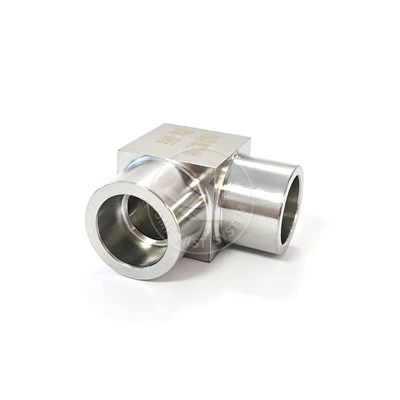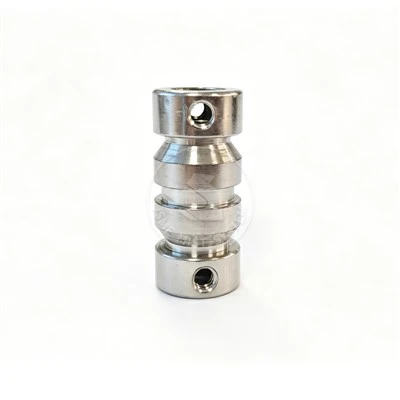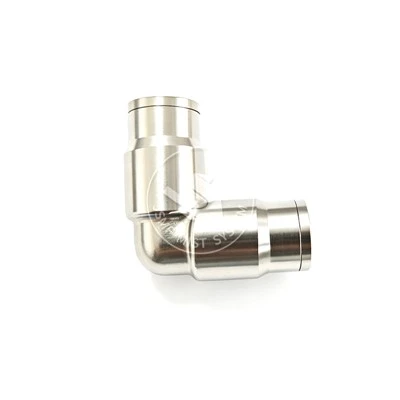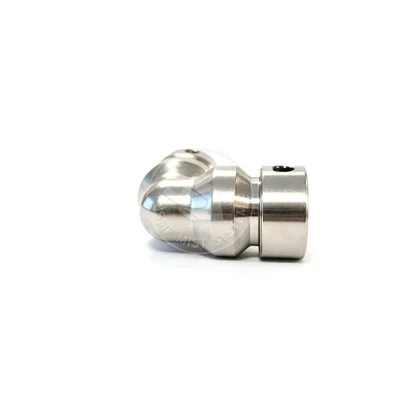

Yo, what's up! I'm stoked to chat about the cool stuff regarding single swirl nozzles. As a single swirl nozzle supplier, I've seen firsthand how these little wonders can make a big impact.
Let's kick things off by diving into the particle size distribution of the spray from a single swirl nozzle. You might be wondering, "Why does the particle size matter?" Well, my friends, the particle size of the spray has a huge influence on a whole bunch of applications. Whether it's for industrial processes, agricultural spraying, or even firefighting, getting the right particle size is key.
So, what exactly is the deal with the particle size distribution of a single swirl nozzle spray? When a liquid is forced through a single swirl nozzle, it forms a swirling motion inside the nozzle. This swirling action causes the liquid to break up into droplets as it exits the nozzle. The resulting spray consists of droplets of various sizes, and this is what we call the particle size distribution.
The particle size distribution of a single swirl nozzle spray can vary depending on several factors. One of the main factors is the design of the nozzle itself. Different nozzles have different geometries, which can affect how the liquid is atomized and the resulting particle size. For example, the size and shape of the swirl chamber, the orifice diameter, and the angle of the swirl vanes can all play a role in determining the particle size distribution.
Another important factor is the flow rate and pressure of the liquid. Generally speaking, higher flow rates and pressures tend to produce smaller droplets. This is because the increased energy breaks the liquid into smaller pieces. However, there's a balance to be struck here. If the pressure is too high, it can cause the droplets to be too small, which might not be suitable for certain applications.
Let's talk about some real - world implications of the particle size distribution. In agricultural spraying, for instance, the particle size of the pesticide or fertilizer spray can have a big impact on its effectiveness. If the droplets are too large, they might not stay in the air long enough to reach the target, and they could also cause runoff. On the other hand, if the droplets are too small, they might be carried away by the wind before they reach the plants. So, finding the right particle size distribution is crucial for efficient and effective spraying.
In industrial applications, such as in paint spraying or cooling processes, the particle size distribution also matters. For paint spraying, the right particle size ensures a smooth and even coating. If the particles are too large, the paint finish might be uneven, and if they're too small, it could lead to overspray and wasted material.


Now, I also want to mention a few other types of nozzles that are related to our single swirl nozzle. Check out these awesome options:
- Stainless Steel Two Stage Nozzle: This nozzle offers a unique two - stage design that can provide different levels of atomization.
- Single Spray Nozzle: It has its own charm when it comes to creating a simple, straightforward spray pattern.
- Triple Swirl Nozzle: With three swirls, it can produce a more complex and potentially finer particle size distribution compared to the single swirl nozzle.
- Dual Orifice Swirl Nozzle: This one allows for a dual - stream spray, which can be really useful in some specific applications.
If you're in the market for a single swirl nozzle or any of these related nozzles, I'm here to help. I've got a great selection of high - quality single swirl nozzles that can meet your specific needs in terms of particle size distribution and other performance factors. Whether you're looking to optimize your agricultural spraying, improve your industrial process, or enhance your firefighting system, we've got the solutions.
Don't hesitate to reach out if you want to learn more or discuss a potential purchase. We can have a chat about your requirements, and I'll do my best to find the perfect nozzle for you. Let's work together to make your projects more successful!
References
- Some general literature on fluid dynamics and nozzle technology
- Industry reports on the applications of different types of nozzles