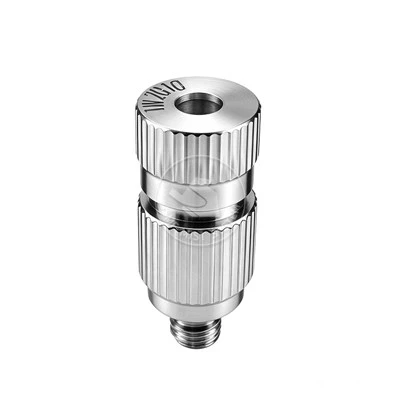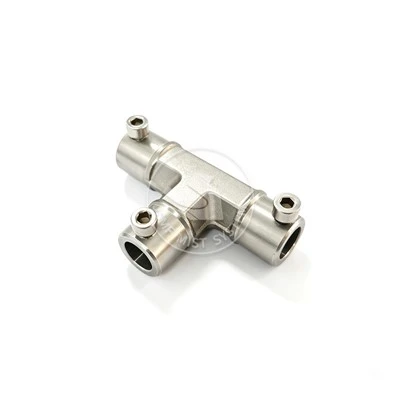

Hey there! As a supplier of snap-in connection pieces, I've seen firsthand how crucial these little components can be in various industries. Whether it's plumbing, automotive, or even electronics, a well-performing snap-in connection piece can make all the difference. So, let's dive into how we can boost the performance of these nifty parts.
Understanding the Basics of Snap-in Connection Pieces
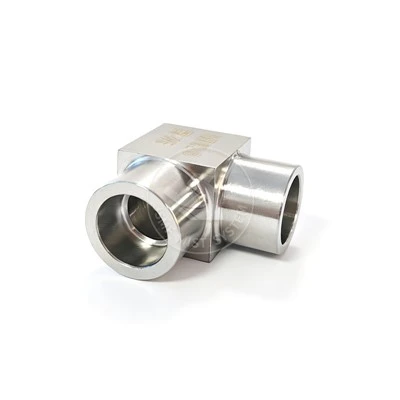
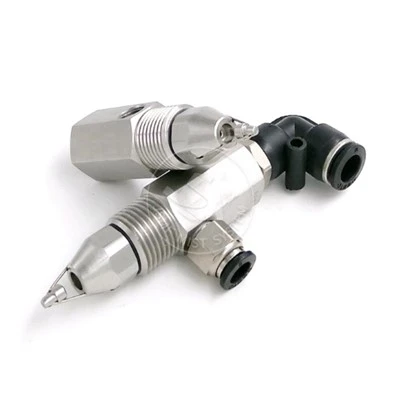
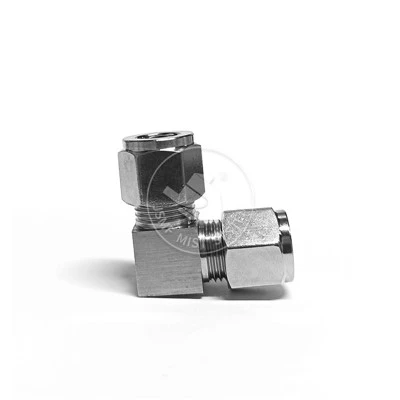
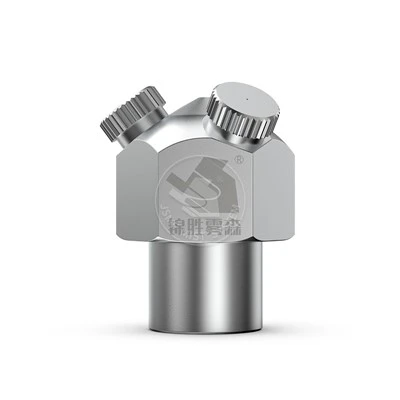
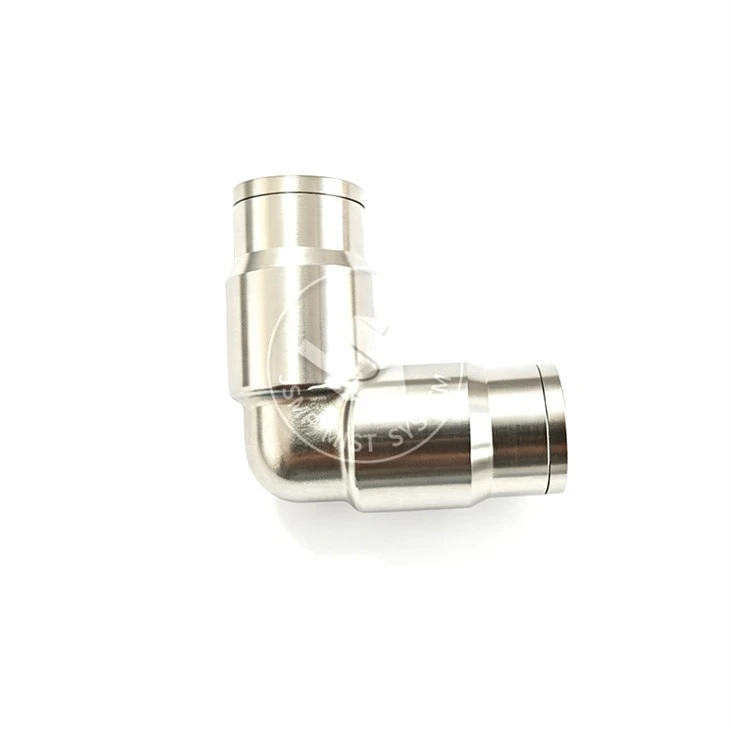
First off, let's quickly go over what snap-in connection pieces are. They're essentially connectors that allow for quick and easy assembly without the need for complex tools or extensive training. You just snap them into place, and boom, you've got a secure connection. We offer a range of these, including the Quick-connect Pipe Elbow, Quick-connect Pipe Three-way Connector, and Quick-connect Pipe Base.
Material Selection
The choice of material is super important when it comes to improving the performance of snap-in connection pieces. Different materials have different properties, and you need to pick the one that suits your specific application.
- Plastics: They're lightweight, corrosion-resistant, and cost-effective. For applications where weight is a concern, like in some automotive or aerospace parts, plastics are a great choice. However, they may not be as strong as metals and can be prone to wear and tear over time.
- Metals: Metals offer high strength and durability. They can withstand high temperatures, pressures, and mechanical stresses. Stainless steel, for example, is commonly used in plumbing applications because it's resistant to rust and corrosion. But metals can be heavier and more expensive than plastics.
- Composites: These are a combination of different materials, and they can offer the best of both worlds. They can have the strength of metals and the lightweight properties of plastics. Composites are often used in high-performance applications where a balance of strength and weight is required.
Design Optimization
The design of a snap-in connection piece can greatly impact its performance. Here are some key design factors to consider:
- Snap-fit Geometry: The shape and size of the snap-fit features are crucial. A well-designed snap-fit should provide a secure connection while still allowing for easy assembly and disassembly. The angle of the snap, the depth of the engagement, and the thickness of the snap arms all play a role in determining the strength and reliability of the connection.
- Tolerance Design: Tolerances are the allowable variations in dimensions. If the tolerances are too tight, the snap-in connection piece may be difficult to assemble. If they're too loose, the connection may not be secure. It's important to find the right balance to ensure a proper fit.
- Stress Distribution: When a snap-in connection piece is assembled or under load, stress is generated. A good design should distribute this stress evenly across the component to prevent premature failure. This can be achieved through features like fillets, ribs, and gussets, which help to strengthen the parts and reduce stress concentrations.
Manufacturing Processes
The way a snap-in connection piece is manufactured also affects its performance.

- Injection Molding: This is a popular process for making plastic snap-in connection pieces. It allows for high-volume production with consistent quality. The key is to optimize the injection molding parameters, such as temperature, pressure, and cooling time, to ensure that the parts are free of defects and have the desired mechanical properties.
- Machining: For metal snap-in connection pieces, machining is often used. Precision machining can produce parts with tight tolerances and excellent surface finishes. However, it can be more time-consuming and expensive than injection molding.
- Assembly Techniques: How the individual components of a snap-in connection piece are assembled is important. Proper assembly techniques can ensure that the parts fit together correctly and that the connection is strong and reliable. This may involve using specific tools or following a particular assembly sequence.
Testing and Quality Control
Testing is an essential part of improving the performance of snap-in connection pieces.
- Mechanical Testing: This includes tests like tensile testing, compression testing, and fatigue testing. Tensile testing can measure the strength of the snap-in connection under pulling forces, while compression testing can evaluate its performance under pushing forces. Fatigue testing simulates repeated loading and unloading to ensure that the part can withstand long-term use without failing.
- Leak Testing: For applications where fluid or gas sealing is required, leak testing is crucial. This can be done using methods like pressure decay testing or bubble testing to detect any leaks in the connection.
- Environmental Testing: Snap-in connection pieces may be exposed to various environmental conditions, such as temperature extremes, humidity, and chemicals. Environmental testing can assess how the parts perform under these conditions and ensure that they are suitable for the intended application.
Maintenance and Lubrication
Proper maintenance and lubrication can also enhance the performance and lifespan of snap-in connection pieces.
- Cleaning: Regular cleaning can remove dirt, debris, and contaminants that can affect the performance of the connection. Use a mild cleaning solution and a soft brush or cloth to clean the parts gently.
- Lubrication: Lubrication can reduce friction and wear between the mating surfaces of the snap-in connection piece. Choose a lubricant that is compatible with the material of the part and the application environment.
Working with Customers to Improve Performance
One of the best ways to improve the performance of our snap-in connection pieces is by working closely with our customers. We always encourage our customers to share their experiences and feedback with us. They can let us know how the parts are performing in their specific applications, and if there are any issues or areas for improvement.
By listening to our customers, we can identify any potential problems early on and make the necessary adjustments to our designs, materials, or manufacturing processes. This collaborative approach helps us to continuously improve the quality and performance of our products.
Conclusion
Improving the performance of snap-in connection pieces involves a combination of factors, from material selection and design optimization to manufacturing processes, testing, and maintenance. At our company, we're committed to providing high-quality snap-in connection pieces that meet the needs of our customers.
If you're in the market for snap-in connection pieces and want to learn more about how we can help improve the performance of your products, we'd love to hear from you. Whether it's for a small project or a large-scale production, we have the expertise and the range of products to meet your requirements. So, don't hesitate to reach out and start a conversation about your snap-in connection piece needs.
References
- Boyce, M. C. (2007). Mechanics of Materials. Wiley.
- Munson, B. R., Young, D. F., & Okiishi, T. H. (2006). Fundamentals of Fluid Mechanics. Wiley.