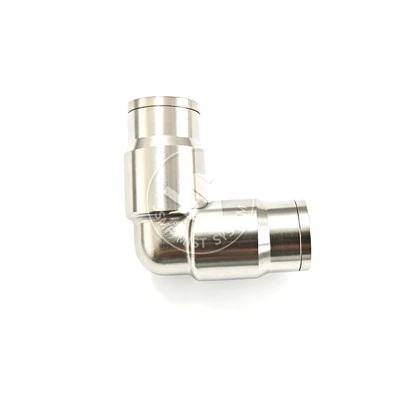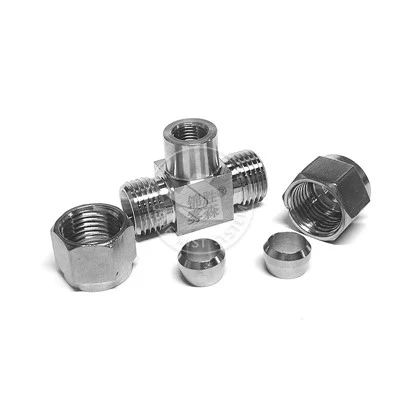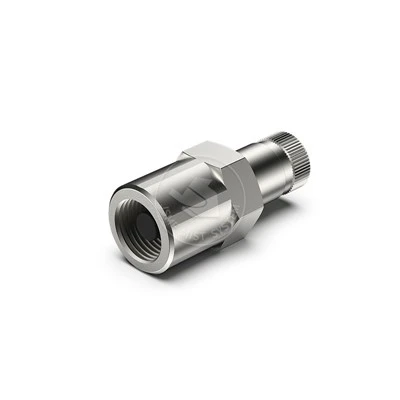

Adapting mechanical joint elbows to high - altitude applications is a crucial consideration for various industries, especially those involved in infrastructure development, energy, and transportation at elevated terrains. As a supplier of Mechanical Joint Elbow, we understand the unique challenges and requirements that come with high - altitude use. In this blog, we will explore the key factors to consider and the strategies to ensure the successful adaptation of mechanical joint elbows in high - altitude environments.
Understanding High - Altitude Challenges
High - altitude areas present a set of distinct challenges that can affect the performance and durability of mechanical joint elbows. One of the primary issues is the lower atmospheric pressure. At higher altitudes, the air pressure is significantly reduced compared to sea - level conditions. This can lead to a variety of problems such as increased susceptibility to leaks in the joints. The reduced pressure can cause the sealing materials in the mechanical joint elbows to expand or contract, potentially compromising the integrity of the seal.
Another challenge is the extreme temperature variations. High - altitude regions often experience large differences between day and night temperatures. These temperature fluctuations can cause the materials of the mechanical joint elbows to expand and contract, leading to stress on the joints. Over time, this stress can result in cracks, fractures, or loosening of the connections, which can disrupt the flow of fluids or gases through the pipes.
In addition, high - altitude areas are often exposed to harsh environmental conditions such as strong winds, intense sunlight, and high levels of ultraviolet (UV) radiation. These factors can cause degradation of the materials used in the mechanical joint elbows. For example, UV radiation can break down the polymers in the sealing gaskets, reducing their elasticity and sealing effectiveness.
Material Selection
The choice of materials for mechanical joint elbows is critical when adapting them to high - altitude applications. For the elbow body, corrosion - resistant materials are essential. Stainless steel is a popular choice due to its high strength, good corrosion resistance, and ability to withstand temperature variations. It can resist the effects of oxidation and rust, which are common in high - altitude environments with high humidity or exposure to chemicals.
The sealing gaskets also play a vital role. Silicone rubber gaskets are well - suited for high - altitude use. They have excellent elasticity, which allows them to maintain a good seal even under the pressure and temperature changes. Silicone rubber is also resistant to UV radiation and can withstand a wide range of temperatures, making it ideal for the extreme conditions at high altitudes.
Design Considerations
The design of mechanical joint elbows should be optimized for high - altitude applications. One important aspect is the joint design. A robust and secure joint is necessary to prevent leaks. The Mechanical Joint Coupling can be used in conjunction with the elbows to provide a more stable connection. It can help to distribute the stress evenly across the joint, reducing the risk of failure due to pressure changes or temperature fluctuations.
The angle of the elbow is also a consideration. In high - altitude pipelines, the flow of fluids or gases may be affected by the reduced pressure. A well - designed elbow angle can help to minimize the pressure drop and ensure smooth flow. For example, a 45 - degree elbow may be more suitable in some cases than a 90 - degree elbow, as it can reduce the turbulence and resistance in the pipeline.
Testing and Quality Assurance
Before deploying mechanical joint elbows in high - altitude applications, rigorous testing is essential. Pressure testing should be conducted to ensure that the elbows can withstand the reduced atmospheric pressure at high altitudes. The testing should simulate the pressure conditions at the intended altitude and check for any leaks or weaknesses in the joints.
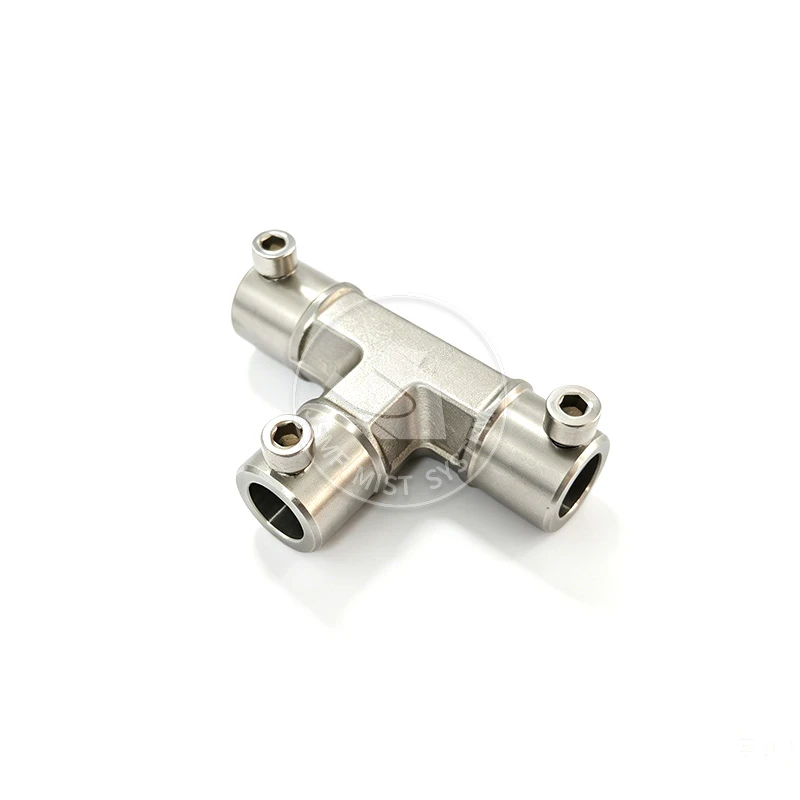
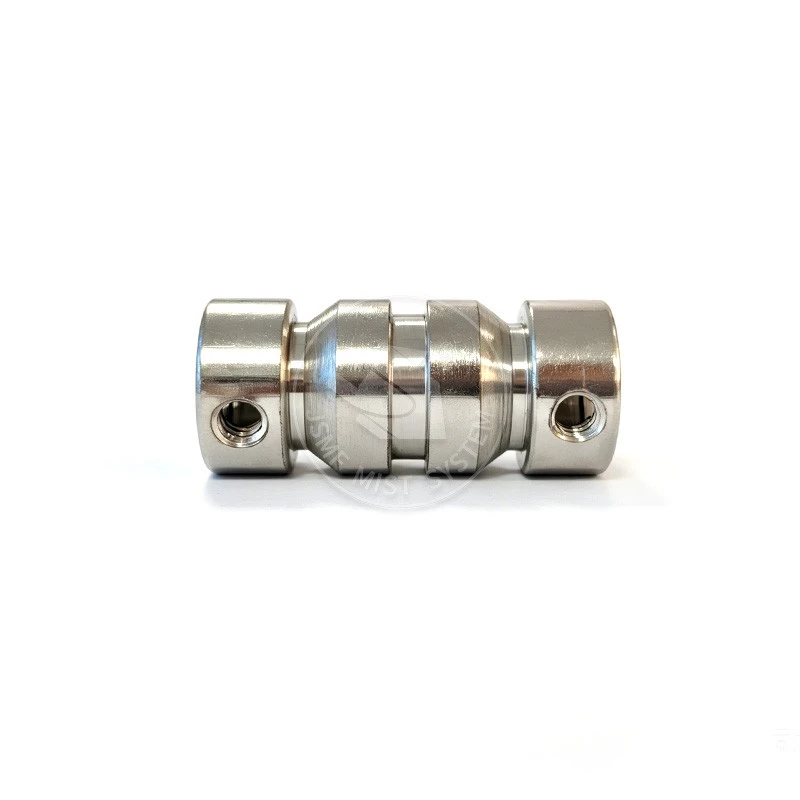
Temperature cycling tests are also necessary. These tests expose the mechanical joint elbows to a range of temperatures similar to those experienced in high - altitude environments. By subjecting the elbows to repeated temperature changes, we can identify any potential issues such as material degradation or joint loosening.
Quality assurance processes should be in place to ensure that all the mechanical joint elbows meet the required standards. This includes inspecting the materials, the manufacturing process, and the final product. Only high - quality elbows should be supplied for high - altitude applications to ensure long - term reliability.
Installation and Maintenance
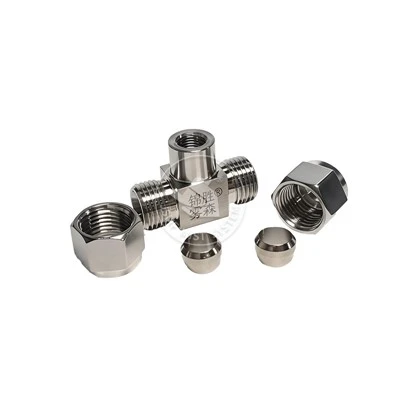
Proper installation is crucial for the performance of mechanical joint elbows in high - altitude applications. The installation should follow the manufacturer's guidelines carefully. All the components, including the Mechanical Joint Pipe Base and Mechanical Joint Tee, should be installed correctly to ensure a tight and secure connection.
Regular maintenance is also necessary. This includes inspecting the elbows for any signs of wear, damage, or leaks. The sealing gaskets should be checked and replaced if necessary. Lubrication of the moving parts in the joints can also help to ensure smooth operation and prevent corrosion.
Collaboration and Support
As a supplier of mechanical joint elbows, we offer not only high - quality products but also technical support and collaboration. We work closely with our customers to understand their specific high - altitude application requirements. Our team of experts can provide advice on material selection, design optimization, and installation techniques.
If you are involved in a high - altitude project and need mechanical joint elbows, we encourage you to reach out to us for a detailed discussion. We can help you select the most suitable products for your needs and ensure that they are properly adapted to the high - altitude environment. Our goal is to provide you with reliable solutions that will perform well in the challenging conditions of high - altitude applications.
Conclusion
Adapting mechanical joint elbows to high - altitude applications requires a comprehensive approach. By understanding the challenges, selecting the right materials, optimizing the design, conducting rigorous testing, and ensuring proper installation and maintenance, we can ensure the reliable performance of these elbows in high - altitude environments. As a supplier, we are committed to providing high - quality products and technical support to help our customers overcome the challenges of high - altitude applications. If you have any questions or need to discuss your procurement requirements, please do not hesitate to contact us.
References
- ASME B16.9 - Factory - Made Wrought Steel Buttwelding Fittings
- ASTM A312/A312M - Standard Specification for Seamless, Welded, and Heavily Cold Worked Austenitic Stainless Steel Pipes
- ISO 228 - 1:2019 - Pipe threads where pressure - tight joints are not made on the threads -- Part 1: Dimensions, tolerances and designation