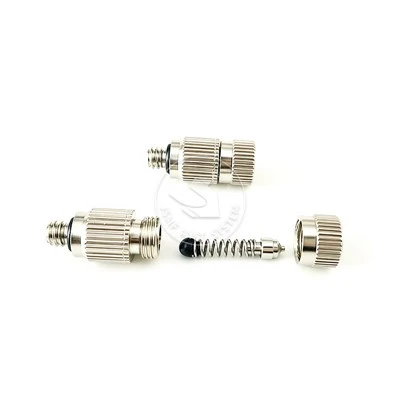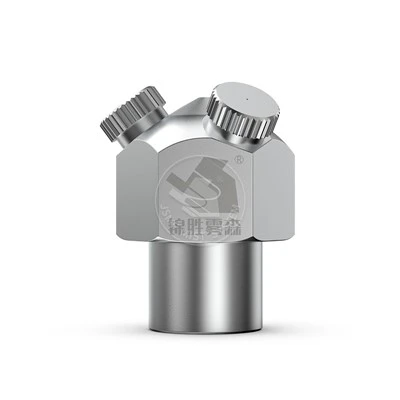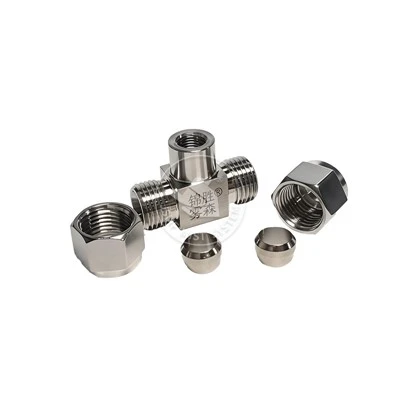

As a supplier of Three Stage Spray Heads, I've received numerous inquiries about the differences in spray patterns between new and old models. In this blog, I'll delve into this topic, exploring the factors that contribute to variations in spray patterns and how these differences can impact various applications.
Understanding the Basics of Three Stage Spray Heads
Three stage spray heads are designed to provide a more controlled and efficient spray compared to single or two - stage counterparts. They typically operate in three distinct phases, each contributing to the overall spray pattern and performance. The first stage might initiate the flow of the liquid, the second stage could disperse it further, and the third stage fine - tunes the spray to achieve the desired coverage and droplet size.
Factors Affecting Spray Patterns
Wear and Tear in Old Spray Heads
Over time, old three stage spray heads are subject to wear and tear. The internal components, such as the orifices, nozzles, and swirl chambers, can erode due to the constant flow of liquid, especially if the liquid contains abrasive particles. This erosion can cause changes in the size and shape of the openings through which the liquid passes. For example, an eroded orifice may allow more liquid to pass through than intended, resulting in a wider and less - concentrated spray pattern. The swirl chambers, which are responsible for creating a swirling motion that helps break up the liquid into droplets, can also lose their effectiveness. As the walls of the swirl chamber wear down, the swirling action may become less efficient, leading to larger droplets and a less uniform spray.
Technological Advancements in New Spray Heads
New three stage spray heads benefit from the latest technological advancements. Manufacturers are constantly researching and developing new materials and designs to improve the performance of spray heads. For instance, new materials that are more resistant to wear and corrosion can be used for the internal components. This ensures that the spray head maintains its original performance over a longer period. Additionally, advanced manufacturing techniques allow for more precise machining of the orifices and nozzles, resulting in a more consistent and accurate spray pattern. Some new spray heads also incorporate adjustable features, such as variable orifice sizes or adjustable swirl settings, which allow users to customize the spray pattern according to their specific needs.
Design Improvements
The design of new three stage spray heads has also evolved. Newer models may have a more streamlined internal structure, which reduces turbulence and improves the flow of liquid. This can lead to a more focused and uniform spray pattern. For example, some new designs feature optimized swirl chambers that create a more stable and efficient swirling motion, resulting in smaller and more evenly distributed droplets. In contrast, old spray heads may have a more complex and less - optimized design, which can lead to inconsistent spray patterns.
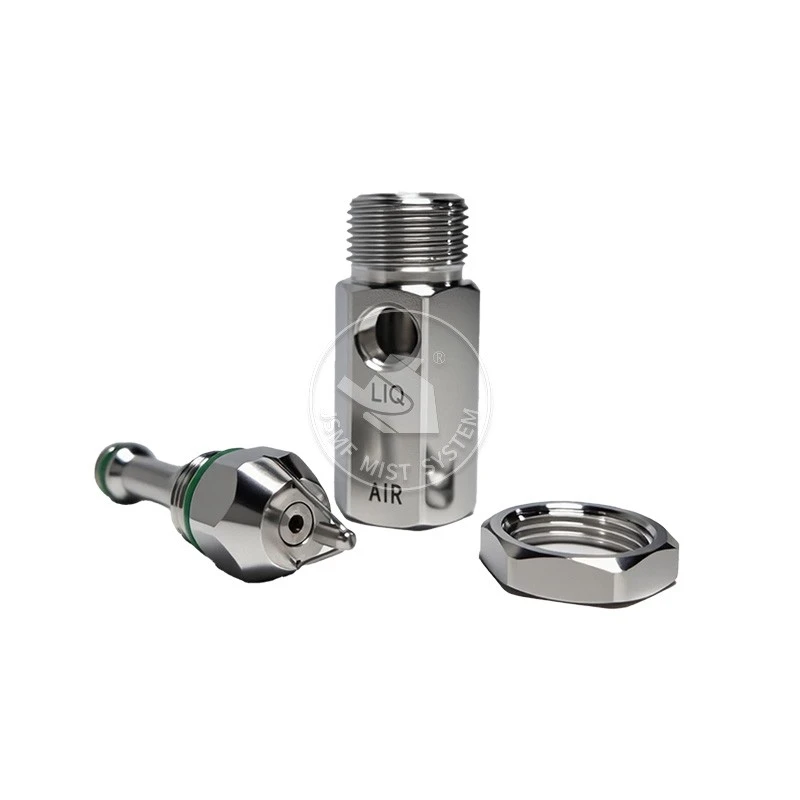
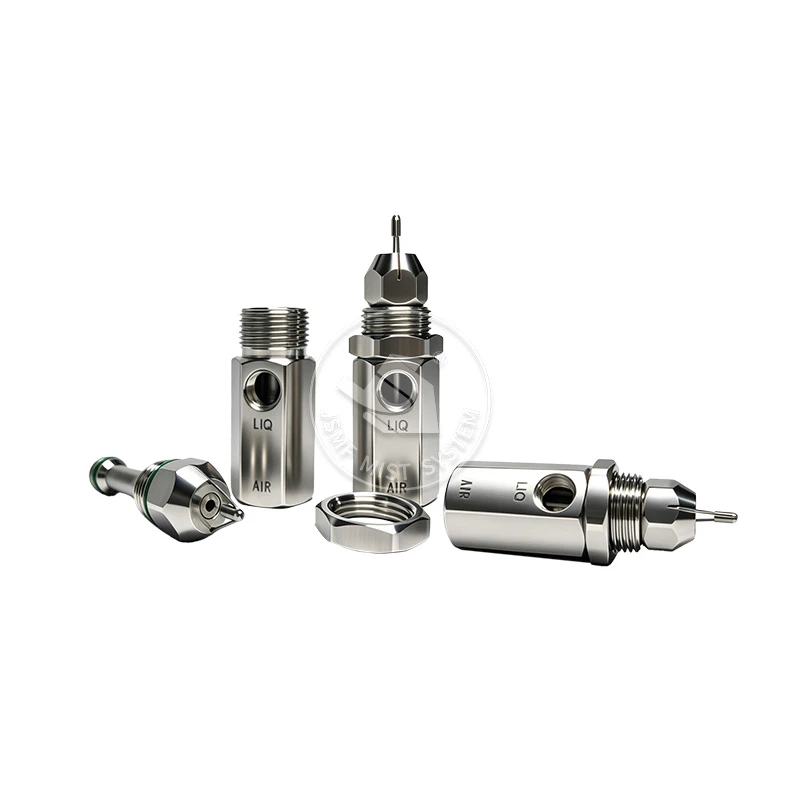
Comparing Spray Patterns
Coverage Area
One of the most noticeable differences between new and old three stage spray heads is the coverage area. New spray heads are often designed to provide a more consistent and predictable coverage area. They can be adjusted to cover a specific area, whether it's a small, targeted area or a large, wide - spread area. Old spray heads, on the other hand, may have a more erratic coverage area due to wear and tear. The spray may be uneven, with some areas receiving too much liquid and others receiving too little.
Droplet Size
Droplet size is another important factor in spray patterns. New three stage spray heads are capable of producing a more uniform droplet size. This is crucial in applications where the size of the droplets matters, such as in agricultural spraying or industrial coating. Smaller droplets can provide better coverage and penetration, while larger droplets may be more suitable for applications where a heavier deposit is required. Old spray heads may produce a wider range of droplet sizes, which can lead to inconsistent results.
Spray Angle
The spray angle is also different between new and old spray heads. New models often have a more adjustable spray angle, allowing users to customize the spread of the spray. This can be useful in applications where the spray needs to be directed at a specific angle, such as in cleaning or painting. Old spray heads may have a fixed or less - adjustable spray angle, which can limit their versatility.
Impact on Applications
Agricultural Applications
In agriculture, the spray pattern of three stage spray heads can have a significant impact on crop health and yield. New spray heads with a more uniform spray pattern and consistent droplet size can ensure that pesticides and fertilizers are evenly distributed across the crops. This can lead to better pest control and nutrient uptake, resulting in healthier and more productive crops. Old spray heads, with their inconsistent spray patterns, may not provide adequate coverage, leading to uneven pest control and nutrient distribution.
Industrial Applications
In industrial applications, such as coating and cooling, the spray pattern is crucial for achieving high - quality results. New three stage spray heads can provide a more precise and consistent spray, which is essential for uniform coating thickness and efficient cooling. Old spray heads may cause uneven coating or cooling, which can lead to product defects or reduced efficiency.
Other Related Products
If you're interested in other types of spray heads, we also offer a range of related products. You can check out our Brass Two Stage Spray Head, Ultrasonic Nozzle, Two - fluid Dedicated Spray Head, Single Spray Nozzle, and Dual Orifice Swirl Nozzle.
Contact for Purchase and Discussion
If you're considering purchasing three stage spray heads or have any questions about the differences in spray patterns between new and old models, feel free to reach out to us. We're more than happy to discuss your specific needs and provide you with the best solutions. Our team of experts can help you choose the right spray head for your application, whether it's for agriculture, industry, or any other use.
References
- Smith, J. (2018). "Advances in Spray Head Technology". Journal of Industrial Spraying.
- Johnson, A. (2019). "The Impact of Wear and Tear on Spray Patterns". Agricultural Spraying Review.
- Brown, C. (2020). "Design Considerations for Three Stage Spray Heads". Engineering Journal.