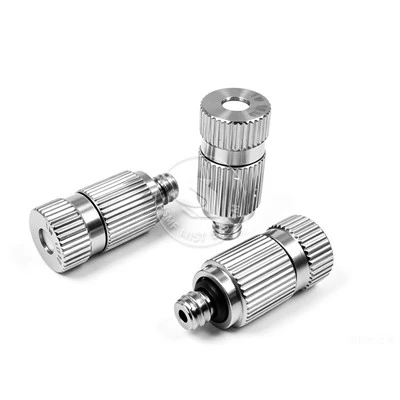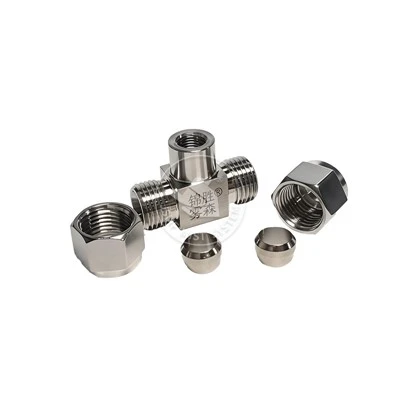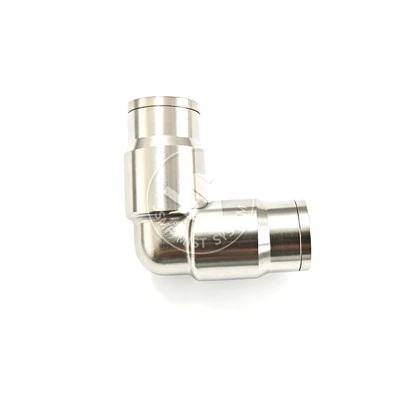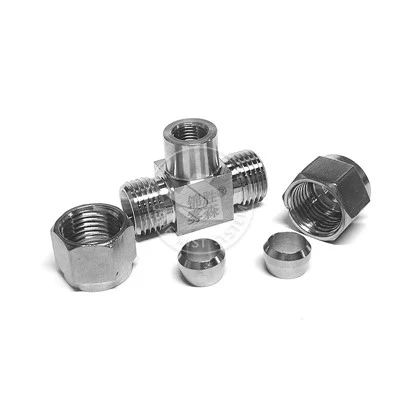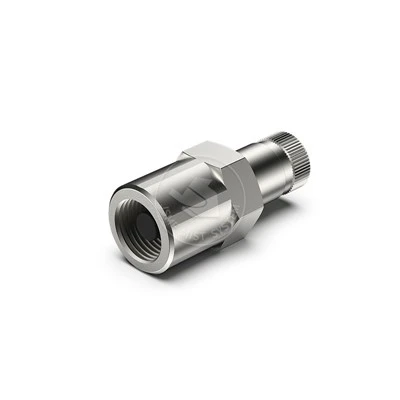

Are mechanical joint pipe bases suitable for use in a nuclear power plant? That's a question I've been asked quite a bit lately, and as a supplier of Mechanical Joint Pipe Bases, I've got some thoughts to share.
First off, let's get a bit of background on what mechanical joint pipe bases are. These are compression - type connection pieces that are used to connect pipes together securely. They've got a long history of use in various industries, and they're known for their reliability and ease of installation. If you're curious about other similar products, you can check out Mechanical Joint Elbow, Mechanical Joint Tee, and Mechanical Joint Coupling.
Now, when it comes to nuclear power plants, there are some seriously strict requirements. These facilities are designed to generate a huge amount of power in a safe and efficient way, but safety is always the top priority. The environment in a nuclear power plant is pretty tough. You've got high temperatures, high pressures, and exposure to various chemicals and radiation. So, any component used in a nuclear power plant has to be able to withstand these extreme conditions.
Let's start with the pros of using mechanical joint pipe bases in a nuclear power plant.
One of the big advantages is the ease of installation. In a nuclear power plant, time is of the essence. Any maintenance or installation work needs to be done as quickly as possible to minimize downtime. Mechanical joint pipe bases are relatively easy to install compared to some other types of pipe connectors. You don't need a lot of specialized equipment or highly skilled labor to get them in place. This can save a lot of time and money during the construction and maintenance phases of the power plant.
Another plus is the reliability. These bases are designed to provide a tight and secure connection between pipes. They've been tested under a variety of conditions, and in normal circumstances, they can maintain their integrity for a long time. This is crucial in a nuclear power plant, where you can't afford to have leaks or failures in the piping system. A leak could lead to the release of radioactive materials or other hazardous substances, which is a big no - no.
They also offer some flexibility. As the power plant operates, there may be some minor movements in the ground or within the structure. Mechanical joint pipe bases can accommodate a certain amount of this movement without losing their seal. This helps to prevent damage to the piping system and reduces the risk of leaks.
However, it's not all sunshine and rainbows. There are some potential drawbacks to using mechanical joint pipe bases in a nuclear power plant.
One major concern is the long - term effects of radiation. Radiation can cause materials to degrade over time. Even though mechanical joint pipe bases are made of high - quality materials, continuous exposure to radiation could potentially weaken the base and the seals. This could lead to leaks or failures in the long run. Scientists and engineers are still studying the exact effects of radiation on these types of components, but it's definitely something to keep an eye on.
The high - pressure environment in a nuclear power plant is another challenge. While mechanical joint pipe bases are designed to handle high pressures, the extreme pressures in a nuclear reactor are on a whole different level. There's a risk that the pressure could cause the joints to loosen or fail. This would require regular inspections and maintenance to ensure that the bases are still functioning properly.
Another issue is the chemical environment. Nuclear power plants use a variety of chemicals for cooling, cleaning, and other processes. These chemicals can be corrosive, and they could potentially damage the mechanical joint pipe bases. Special coatings or materials may be needed to protect the bases from corrosion.
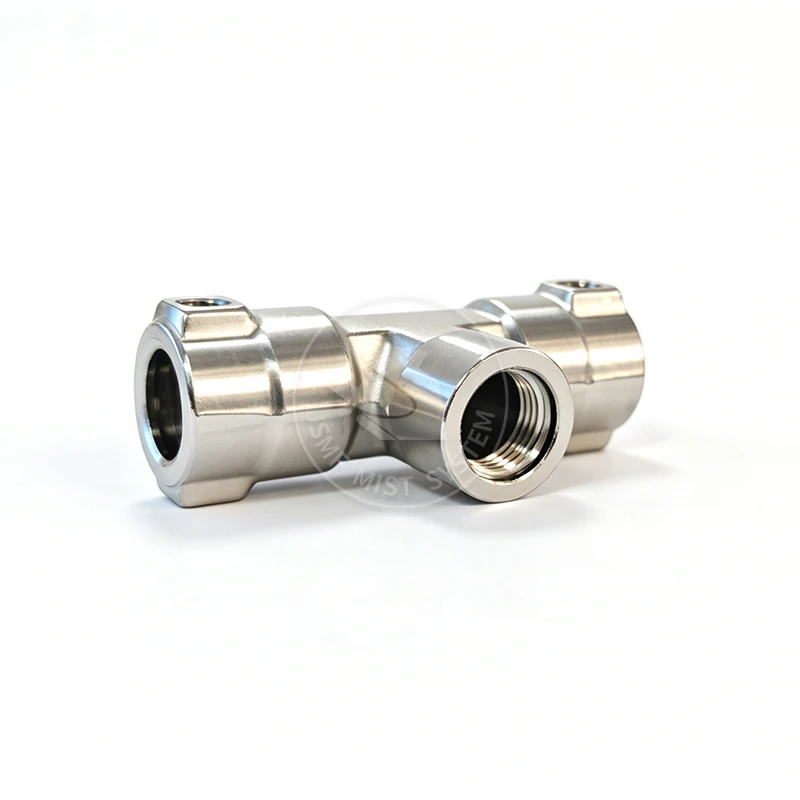
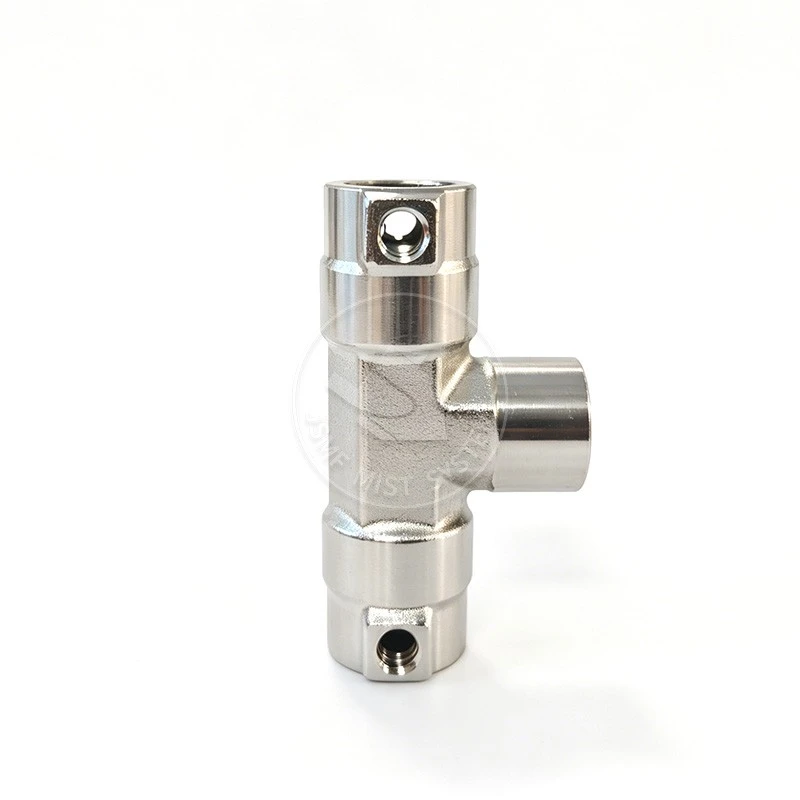
So, are mechanical joint pipe bases suitable for use in a nuclear power plant? Well, it depends. They do have some advantages, such as ease of installation, reliability, and flexibility. But they also face some challenges, like radiation degradation, high - pressure resistance, and chemical corrosion.
In my opinion, with the right design modifications and proper maintenance, mechanical joint pipe bases can definitely be used in a nuclear power plant. For example, using radiation - resistant materials and applying special anti - corrosion coatings can help to overcome some of the challenges. Regular inspections and testing should also be carried out to ensure that the bases are in good condition.
If you're in the nuclear power industry and you're considering using mechanical joint pipe bases, or if you just want to learn more about our products, Mechanical Joint Pipe Base is the place to start. We're always happy to have a chat about how our products can meet your needs. Don't hesitate to reach out to discuss your specific requirements and start a procurement conversation.
References
- Wilson, J. (2020). Pipe Fittings for High - Pressure Environments. Journal of Industrial Piping.
- Thompson, R. (2019). The Effects of Radiation on Industrial Materials. Nuclear Science Review.
- Harris, L. (2021). Chemical Corrosion in Power Plants. Energy Engineering Journal.