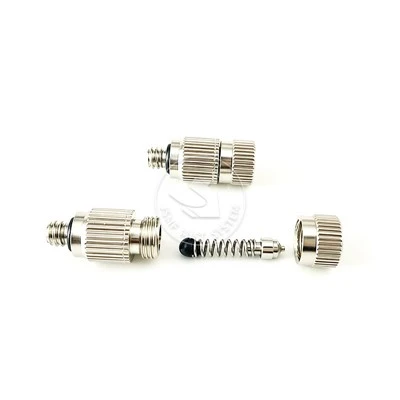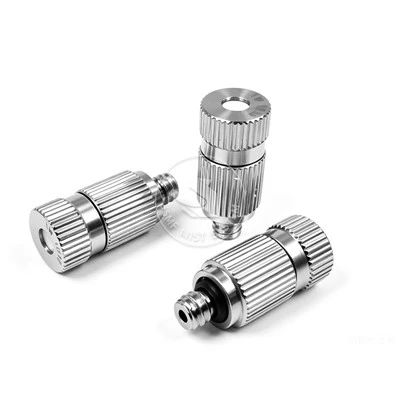

Welded connection fittings play a crucial role in various industrial applications, including plumbing, construction, and manufacturing. These fittings are used to connect pipes, tubes, and other components, providing a secure and leak - proof joint. However, the integrity and durability of welded connection fittings can be significantly enhanced through appropriate surface treatments. As a supplier of welded connection fittings, I am well - aware of the importance of these treatments and their impact on the performance of our products.
1. Understanding Welded Connection Fittings
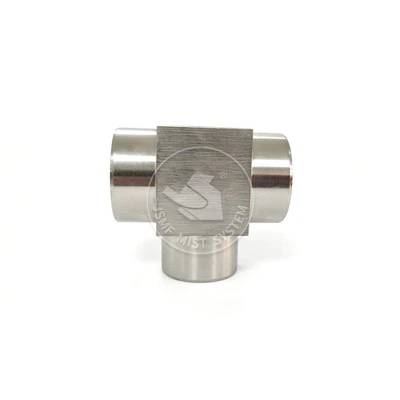
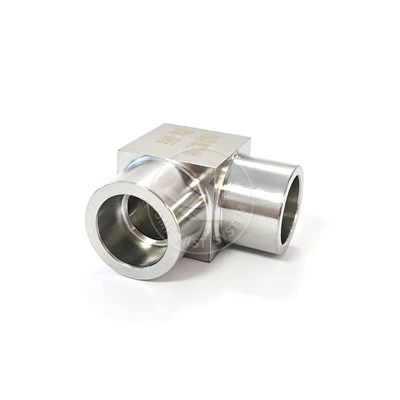
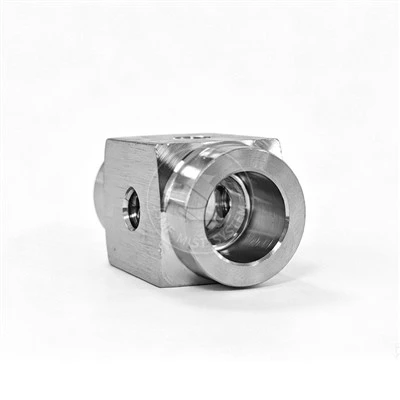
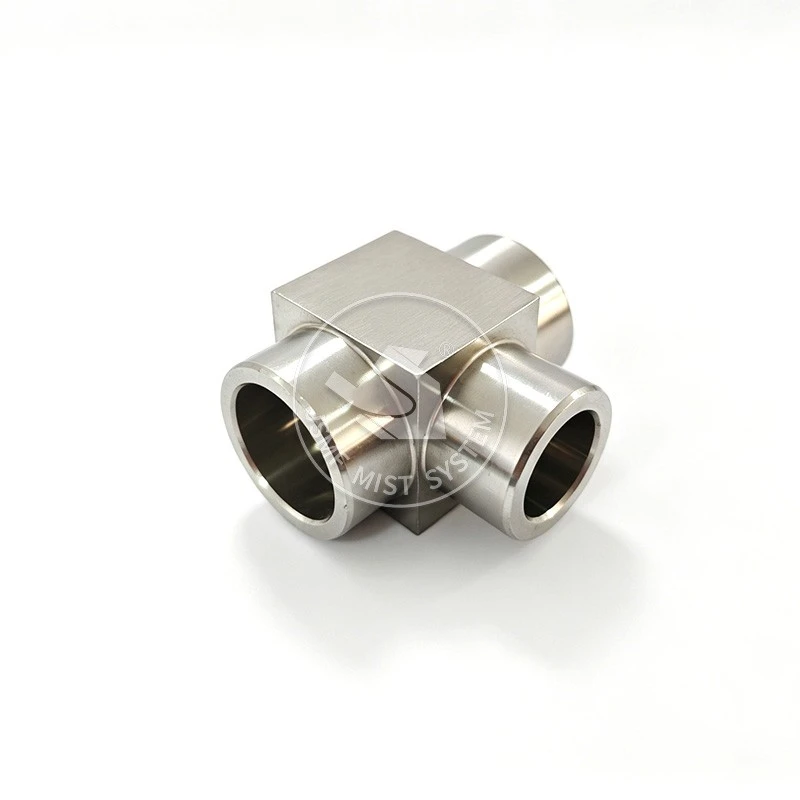
Before delving into surface treatments, let's briefly understand the types of welded connection fittings we offer. We supply a range of products such as Butt Weld Pipe Extension Base, Butt Weld Pipe Base, Butt Weld Pipe Elbow, and Butt Weld Pipe Tee. These fittings are made from different materials, including steel, stainless steel, and aluminum, and are designed to meet the diverse needs of our customers.
2. Importance of Surface Treatments for Welded Connection Fittings
Surface treatments for welded connection fittings are essential for several reasons. Firstly, they improve the corrosion resistance of the fittings. Corrosion can weaken the structure of the fittings, leading to leaks and failures. By applying appropriate surface treatments, we can protect the fittings from the effects of moisture, chemicals, and other corrosive agents.
Secondly, surface treatments enhance the aesthetic appearance of the fittings. In some applications, such as architectural and decorative uses, the appearance of the fittings is as important as their functionality. A smooth and polished surface can give the fittings a more professional and attractive look.
Thirdly, surface treatments can improve the wear resistance of the fittings. In high - traffic or abrasive environments, the fittings may be subject to wear and tear. A hard - wearing surface can extend the lifespan of the fittings and reduce the need for frequent replacements.
3. Common Surface Treatments for Welded Connection Fittings
3.1 Galvanizing
Galvanizing is a widely used surface treatment for welded connection fittings, especially those made of steel. It involves coating the fittings with a layer of zinc, which acts as a sacrificial anode. When the zinc layer is exposed to the environment, it corrodes preferentially, protecting the underlying steel from rusting.
There are two main types of galvanizing: hot - dip galvanizing and electro - galvanizing. Hot - dip galvanizing is a more durable and long - lasting process. In this process, the fittings are immersed in a bath of molten zinc at a high temperature. The zinc forms a metallurgical bond with the steel, creating a thick and uniform coating. Electro - galvanizing, on the other hand, is a more precise process that uses an electric current to deposit a thin layer of zinc onto the surface of the fittings. It is often used for applications where a thinner coating is required, such as in some decorative or indoor uses.
3.2 Painting
Painting is another common surface treatment for welded connection fittings. It provides an aesthetically pleasing finish and can also offer some level of corrosion protection. When choosing a paint for welded connection fittings, it is important to select a paint that is suitable for the environment in which the fittings will be used. For example, in marine environments, a paint with high resistance to saltwater and UV radiation should be used.
The painting process typically involves surface preparation, such as cleaning and sanding, followed by the application of a primer and one or more topcoats. The primer helps to improve the adhesion of the paint to the surface of the fittings and provides additional corrosion protection.
3.3 Powder Coating
Powder coating is a modern and environmentally friendly surface treatment method. It involves applying a dry powder to the surface of the fittings and then curing the powder under heat to form a hard and durable coating. Powder coating offers several advantages over traditional painting methods. It provides a thicker and more uniform coating, which can improve the corrosion and wear resistance of the fittings. Additionally, powder coating is more resistant to chipping, scratching, and fading compared to liquid paints.
The powder coating process is also relatively clean and efficient, as there are no solvents involved, which reduces the environmental impact. There are a wide variety of colors and finishes available in powder coating, allowing for greater design flexibility.
3.4 Passivation
Passivation is a chemical treatment process used mainly for stainless steel welded connection fittings. It involves removing free iron and other contaminants from the surface of the fittings and then creating a passive oxide layer on the surface. This passive layer acts as a barrier, preventing further oxidation and corrosion of the stainless steel.
Passivation is typically carried out using a nitric acid or citric acid solution. The fittings are immersed in the solution for a specific period of time, depending on the type and thickness of the stainless steel. After passivation, the fittings should be thoroughly rinsed to remove any remaining acid.
3.5 Polishing
Polishing is a mechanical surface treatment that is used to improve the smoothness and reflectivity of the welded connection fittings. It can be used for both aesthetic and functional purposes. In addition to enhancing the appearance of the fittings, polishing can also reduce friction and improve the flow of fluids through the pipes in some applications.
There are different levels of polishing, ranging from a basic mechanical polish to a high - gloss mirror finish. The choice of polishing level depends on the specific requirements of the application.
4. Selecting the Right Surface Treatment
The selection of the right surface treatment for welded connection fittings depends on several factors. The first factor is the material of the fittings. Different materials require different surface treatments to achieve the best results. For example, galvanizing is more suitable for steel fittings, while passivation is specific to stainless steel fittings.
The second factor is the environment in which the fittings will be used. If the fittings will be exposed to a highly corrosive environment, such as a chemical plant or a marine environment, a more robust surface treatment, such as hot - dip galvanizing or powder coating, may be required. In a less corrosive environment, a simple painting or polishing may be sufficient.
The third factor is the aesthetic requirements. If the appearance of the fittings is important, a surface treatment that provides a smooth and attractive finish, such as powder coating or polishing, should be considered.
5. Our Commitment as a Supplier
As a supplier of welded connection fittings, we are committed to providing our customers with high - quality products. We carefully select the surface treatments for our fittings based on the specific requirements of each application. Our team of experts has extensive knowledge and experience in surface treatment technologies, ensuring that our fittings meet the highest standards of quality and performance.
We also offer a range of customization options for surface treatments. Whether you need a specific color, finish, or level of corrosion resistance, we can work with you to find the best solution for your needs.

6. Contact Us for Procurement
If you are in the market for welded connection fittings and are interested in learning more about our surface treatment options, we encourage you to contact us. Our sales team is ready to assist you in selecting the right products and surface treatments for your projects. We can provide you with detailed product information, technical specifications, and pricing quotes. Let's start a conversation and find the perfect solution for your welded connection fitting needs.
References
- ASM Handbook, Volume 5: Surface Engineering, ASM International
- Corrosion Engineering by Mars G. Fontana
- Handbook of Paint and Coating Technology by Robert Lambourn