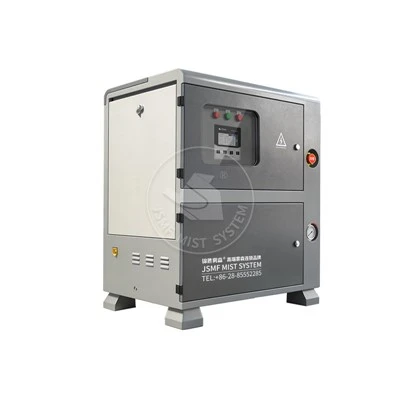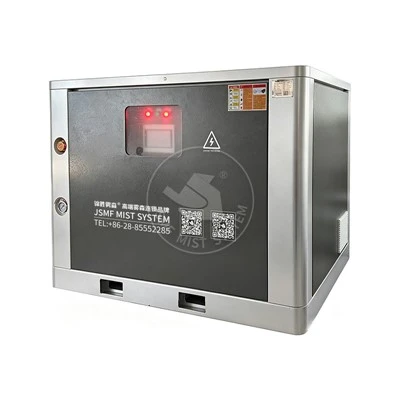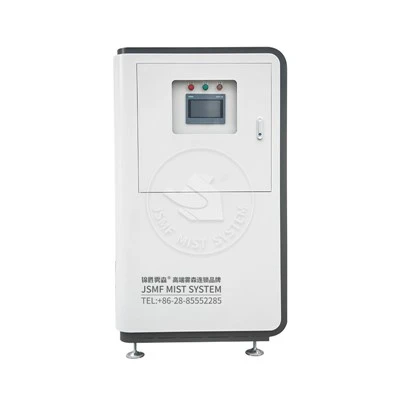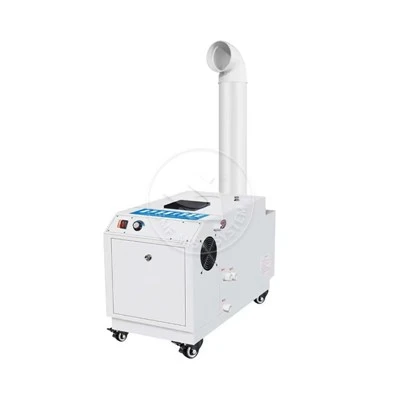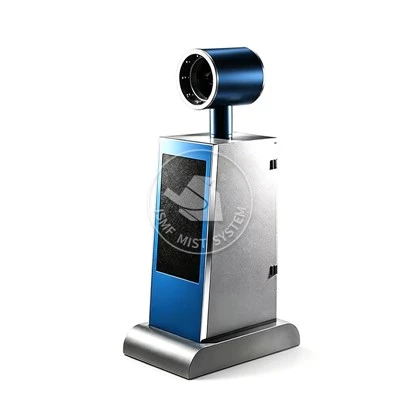
Kerosene was used as the fuel sample. The fuel was contained in an oil pan with a diameter of 0.30 m and a depth of 0.025 m, with 750 ml of fuel sample used each time. The oil pan was positioned directly below the nozzle. The fine water mist nozzle was positioned vertically downwards at a height of 2.8 m above the liquid surface. Armored thermocouples were arranged along the centerline of the sample, spaced 10 cm apart. The water consumption of the fine water mist was measured using a collection method, resulting in a value of 2.894 L/min (at a pressure of 1.8 MPa). The ambient temperature during the experiment was 10 °C.
Before conducting the experiment, the connections of the circuits and pipes were checked, and the operating condition of the experimental equipment was verified to ensure normal operation. A small amount of alcohol was poured into the oil pan, and then the oil was ignited. After approximately 50 seconds of pre-combustion time, once the oil reached a stable combustion stage, the thermocouple temperature reached 700 °C, and the fine water mist began to be released. After the flame extinguished, the valve was closed, and the exhaust duct was opened. After waiting approximately 25 minutes for the air in the confined space to return to its original operating conditions, the second experiment was conducted. During this period, relevant experimental records were compiled and stored for analysis. After the experiment, the remaining fuel in the combustion pool was reignited to confirm that the pool fire was indeed extinguished by the fine water mist, rather than by the fuel running out. During the experiment, the pressure and nozzle type used to generate the fine water mist were varied to study the effect of the fine water mist in suppressing and extinguishing the kerosene pool fire. The above experimental steps were repeated, and finally, the collected experimental data were processed, plotted, and the experimental results analyzed.
Extinguishing time is a crucial parameter in the experiment. The duration of the extinguishing time directly reflects the extinguishing efficiency and effectiveness of the fine water mist, and indirectly reflects the mechanism of interaction between the fine water mist and the flame. In this experiment, the extinguishing time of the fine water mist under different operating conditions was recorded using a stopwatch. Sequential photographic sequences can also be used for verification to obtain the impact of different operating conditions on the extinguishing efficiency. At the same time, by analyzing the temperature change curve of the thermocouple, the flame extinguishing time can be determined based on the location where the fine water mist is applied and the location at the moment the flame is extinguished, i.e., the horizontal axis value.