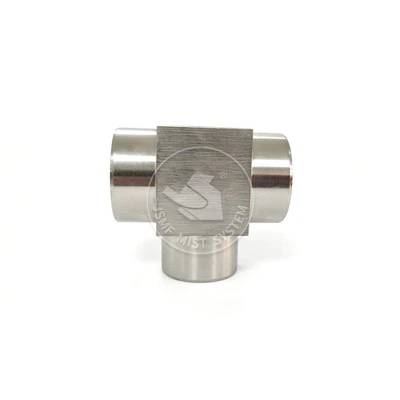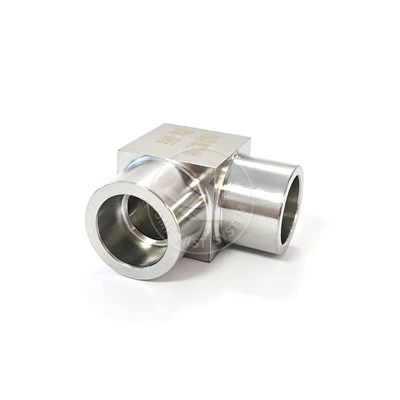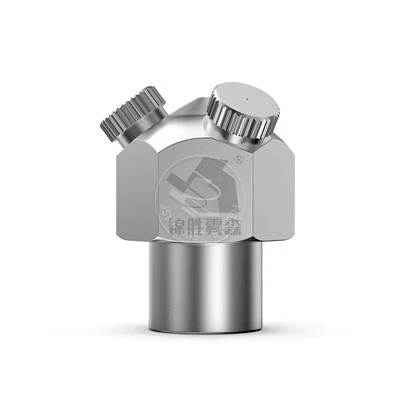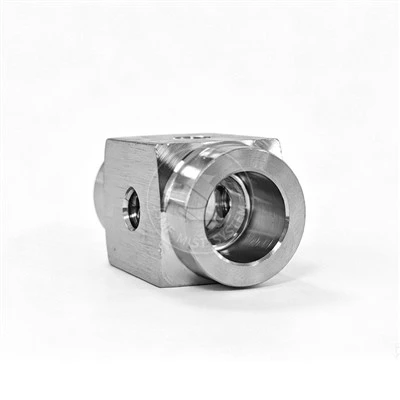

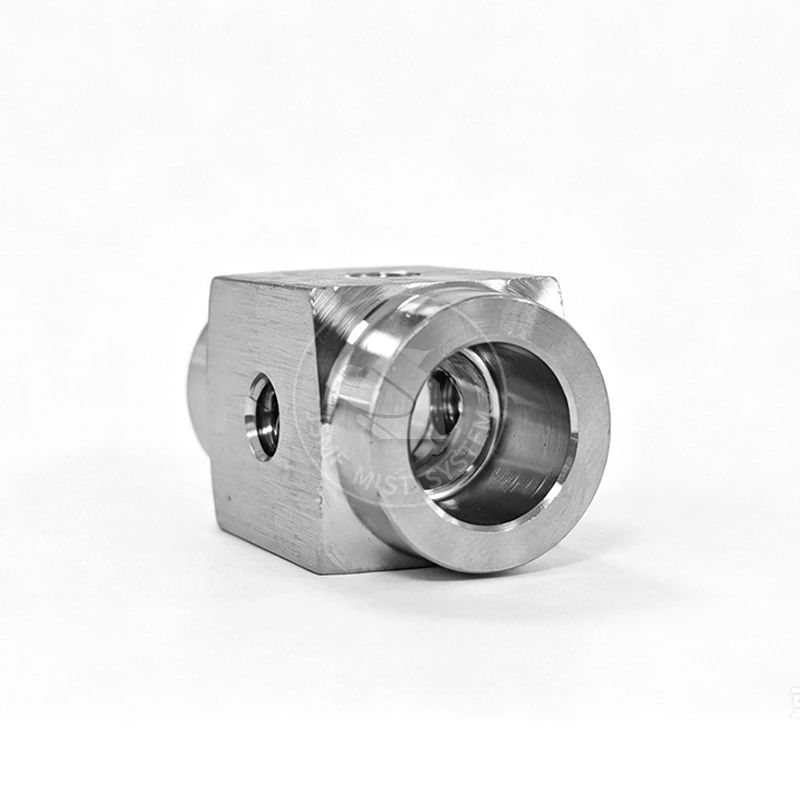
In the world of industrial piping systems, the Butt Weld Pipe Tee stands as a crucial component, facilitating the distribution and redirection of fluid flow at T-junctions. As a prominent Butt Weld Pipe Tee supplier, I've witnessed firsthand the significance of understanding the impact of fluid velocity on these vital fittings. In this blog, we'll delve into the intricate relationship between fluid velocity and Butt Weld Pipe Tees, exploring how velocity can influence their performance, durability, and overall efficiency.
Understanding Fluid Velocity
Fluid velocity refers to the speed at which a fluid (liquid or gas) travels through a pipe. It is typically measured in meters per second (m/s) or feet per second (ft/s). The velocity of a fluid is determined by several factors, including the flow rate, pipe diameter, and the properties of the fluid itself, such as its density and viscosity.
In a piping system, fluid velocity plays a pivotal role in determining the pressure drop, flow distribution, and the likelihood of erosion and corrosion. Therefore, it's essential to carefully consider fluid velocity when designing, installing, and operating a piping system that incorporates Butt Weld Pipe Tees.
Impact on Pressure Drop
One of the primary effects of fluid velocity on a Butt Weld Pipe Tee is its influence on pressure drop. Pressure drop refers to the reduction in pressure that occurs as a fluid flows through a pipe or fitting. In a Butt Weld Pipe Tee, the change in flow direction and the division of the fluid stream can cause an additional pressure drop compared to a straight pipe section.
As the fluid velocity increases, the pressure drop across the Butt Weld Pipe Tee also tends to increase. This is because higher velocities result in greater frictional forces between the fluid and the inner surface of the tee, as well as increased turbulence and eddy formation within the fitting. The increased pressure drop can lead to higher energy consumption, as more power is required to maintain the desired flow rate.
Therefore, when selecting a Butt Weld Pipe Tee for a particular application, it's important to consider the expected fluid velocity and ensure that the tee is sized appropriately to minimize pressure drop. This may involve choosing a tee with a larger diameter or a design that is optimized for low-pressure drop applications.
Influence on Flow Distribution
Fluid velocity also has a significant impact on the flow distribution within a Butt Weld Pipe Tee. In an ideal scenario, the fluid would divide evenly between the main branch and the side branch of the tee, ensuring a balanced flow throughout the piping system. However, in reality, the flow distribution can be affected by several factors, including the fluid velocity, the geometry of the tee, and the presence of any obstructions or irregularities in the piping.
At low fluid velocities, the flow may tend to follow the path of least resistance, resulting in an uneven distribution between the branches of the tee. This can lead to issues such as reduced flow in one branch, increased pressure in the other, and potential flow reversal. On the other hand, at high fluid velocities, the increased momentum of the fluid can help to promote more uniform flow distribution by overcoming the effects of gravity and friction.
To ensure optimal flow distribution in a Butt Weld Pipe Tee, it's important to carefully consider the fluid velocity and the design of the tee. This may involve using a tee with a specific geometry, such as a reducing tee or an equal tee, depending on the requirements of the application. Additionally, proper installation and alignment of the tee can also help to minimize the impact of fluid velocity on flow distribution.

Erosion and Corrosion Risks
Another important consideration when evaluating the impact of fluid velocity on a Butt Weld Pipe Tee is the potential for erosion and corrosion. Erosion occurs when the fluid flowing through the tee carries solid particles or abrasive materials, which can wear away the inner surface of the fitting over time. Corrosion, on the other hand, is the result of a chemical reaction between the fluid and the material of the tee, which can cause the surface to deteriorate and weaken.
Higher fluid velocities can increase the risk of erosion and corrosion in a Butt Weld Pipe Tee. This is because the increased velocity can cause the solid particles or abrasive materials in the fluid to impact the inner surface of the tee with greater force, leading to more rapid wear. Additionally, the higher velocity can also increase the rate of chemical reactions, accelerating the corrosion process.
To mitigate the risks of erosion and corrosion, it's important to select a Butt Weld Pipe Tee made from a material that is resistant to these types of damage. For example, stainless steel is a popular choice for applications where erosion and corrosion are a concern, as it has excellent resistance to both. Additionally, proper maintenance and monitoring of the piping system can help to detect any signs of erosion or corrosion early on and take appropriate measures to prevent further damage.
Impact on Structural Integrity
The fluid velocity within a Butt Weld Pipe Tee can also have an impact on its structural integrity. The dynamic forces generated by the flowing fluid, such as pressure fluctuations and vibration, can subject the tee to stress and fatigue over time. If the fluid velocity is too high, these forces can exceed the design limits of the tee, leading to deformation, cracking, or even failure.
To ensure the structural integrity of a Butt Weld Pipe Tee, it's important to consider the expected fluid velocity and the operating conditions of the piping system. This may involve performing a stress analysis to determine the maximum allowable stress and fatigue life of the tee. Additionally, proper support and anchoring of the tee can help to minimize the impact of dynamic forces and prevent excessive movement or vibration.
Conclusion
In conclusion, fluid velocity plays a crucial role in the performance, durability, and overall efficiency of a Butt Weld Pipe Tee. It affects the pressure drop, flow distribution, erosion and corrosion risks, and structural integrity of the tee. As a Butt Weld Pipe Tee supplier, I understand the importance of carefully considering fluid velocity when selecting and installing these fittings in a piping system.
By choosing the right size and design of the tee, optimizing the flow distribution, and using materials that are resistant to erosion and corrosion, it's possible to minimize the negative impact of fluid velocity and ensure the long-term reliability of the piping system. If you have any questions or need assistance in selecting the appropriate Butt Weld Pipe Tee for your application, please don't hesitate to [indicate how to initiate contact, e.g., "reach out to us"]. We're here to help you make the best decision for your project.
References
- Crane Technical Paper No. 410, Flow of Fluids Through Valves, Fittings, and Pipe.
- ASME B31.3, Process Piping Code.
- TEMA Standards, Tubular Exchanger Manufacturers Association.