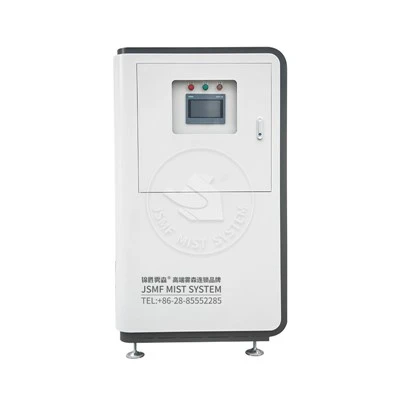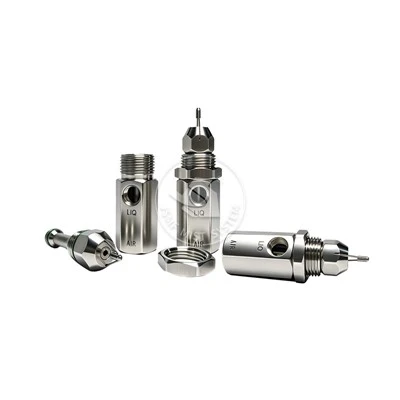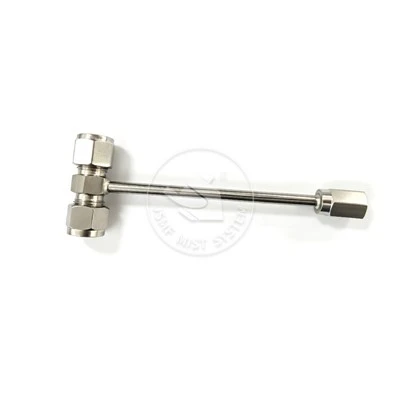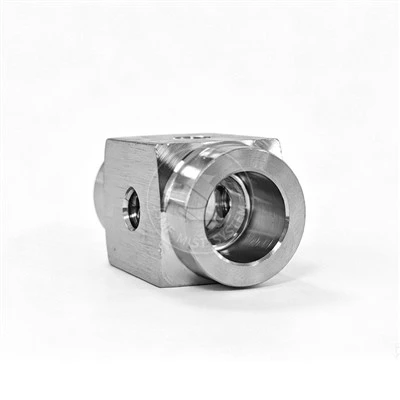

Jinsheng Mist Forest-High Pressure Mist System is one of the leading manufacturers and suppliers of mining dust control unit in China. If you're going to wholesale cheap mining dust control unit made in China, welcome to get free sample from our factory. All customized products are with high quality and low price.
The Mining Dust Control Unit is a packaged high-pressure misting system for localized dust suppression in mining and mineral-processing operations. Filtered water is pressurized to 50–70 bar and delivered through fine-atomizing nozzles, producing typical droplets of 5–15 μm.
The system can be arranged around crushers, screens, conveyors, transfer points and material handling areas. Pump capacity, nozzle quantity, piping layout and control method are selected from the process arrangement, water supply and required treatment points.
How the Unit Controls Dust
Fine Mist Contact: Fine water droplets are introduced close to the dust-release point, increasing contact between water and airborne particles. Nozzle position is selected according to material flow and equipment geometry.
Localized Application: Mist is directed toward defined process points rather than distributed across an entire facility. This allows the system layout to follow individual crushing, screening, conveying or transfer operations.
High-Pressure Atomization: A working pressure of 50–70 bar supports fine atomization through dedicated mist nozzles. Droplet characteristics vary with nozzle selection, pressure, water conditions and system configuration.
Key Applications
Crushing Areas
Crushers can generate airborne dust during feeding, size reduction and discharge. Nozzles can be positioned around the relevant release points according to the crusher arrangement.
Screening & Conveying
Screens, conveyor lines and transfer chutes can release dust as material moves between processing stages. Nozzle locations are matched to material flow and accessible installation points.
Loading & Unloading
Loading and discharge areas can receive localized mist treatment where material movement creates airborne dust during transfer.
Stockpiles & Processing Areas
Selected stockpile and processing zones can be treated through dedicated nozzle layouts based on the material handling process and site arrangement.
Technical Specifications
|
Parameter |
Specification |
|
Working Pressure |
50–70 bar |
|
Typical Droplet Size |
5–15 μm |
|
Atomization Method |
High-pressure water mist |
|
Water Supply |
Filtered water |
|
Nozzle Type |
Fine-atomizing mist nozzle |
|
High-Pressure Piping |
Stainless steel options |
|
Control Method |
Manual or automatic |
|
Pump Capacity |
Project-specific |
|
Nozzle Quantity |
Project-specific |
Final pump capacity, flow rate, nozzle quantity and piping length are selected from the site process, water conditions and required mist distribution.
Selection Guide
Dust Source: Identify the exact process point generating airborne dust. Crusher discharge, screen outlets, conveyor transfers and loading points require different nozzle positions.
Treatment Dimensions: Provide the length, width and height of the treatment area together with the location of process equipment. These dimensions establish the practical nozzle arrangement and piping route.
Water Conditions: Confirm the available water source, inlet pressure and water quality before equipment selection. Filtration requirements are related to suspended particles and the selected mist nozzles.
Operating Pattern: Define whether misting follows continuous production, scheduled operation or equipment start and stop signals. The operating pattern determines the appropriate control arrangement.
Configuration Options
High-Pressure Pump
The pump assembly supplies the pressure required for fine atomization. Capacity is selected according to the operating pressure, system flow and number of active nozzles.
Filtration Section
The filtration section prepares incoming water before it enters the high-pressure circuit. Filter configuration is selected according to water quality and nozzle requirements.
Atomizing Nozzles
Nozzle quantity, installation height, spray direction and spacing are determined by the dust source and surrounding equipment. The arrangement is established from the actual treatment points.
Control System
Manual control provides direct operation from the equipment panel. Automatic control can coordinate mist operation with production equipment or predefined operating cycles.
Manufacturing & Quality Control
Component Fabrication: Equipment fabrication includes sheet-metal processing, CNC machining, cutting, stamping, bending and welding. These processes are used for equipment structures, housings and fabricated components.
System Assembly: Pump assemblies, filtration components, high-pressure piping, electrical components and misting terminals are assembled according to the specified system configuration.
Functional Testing: Completed units are checked for water delivery, pressure operation, nozzle function and control response before release. The test scope follows the configured equipment and operating requirements.
Installation & Maintenance
Installation
The pump unit requires a stable installation base and sufficient access for inspection and service. High-pressure piping should follow the approved nozzle layout and be protected from mechanical impact.
Filter Inspection
Filter condition should be checked according to water quality and operating hours. Cleaning or replacement intervals are established from actual site conditions.
Nozzle Inspection
Nozzles should be checked for blockage, physical condition and spray consistency. Inspection frequency depends on water quality and operating conditions.
System Flushing
Periodic flushing helps remove accumulated particles from the water circuit and supports consistent water delivery to the atomizing nozzles.
Procurement Information
Site Data: Provide the dust source, process equipment, treatment dimensions, installation positions and operating schedule. Process drawings, equipment layouts or site photographs can help determine the nozzle arrangement.
Utility Data: Confirm the available water supply, water quality and electrical conditions before final configuration. These inputs affect filtration, pump selection and control requirements.
System Requirements: Specify the number of dust-control points, preferred operating mode and installation location. The final configuration can then be matched to the actual process rather than selected from a generic equipment size.
FAQ
Q: What is a Mining Dust Control Unit?
A: It is a high-pressure misting unit used to introduce fine water mist at defined dust-generation points in mining and mineral-processing operations.
Q: What working pressure does the system use?
A: The high-pressure configuration operates at 50–70 bar.
Q: What droplet size does the unit produce?
A: Typical droplets are approximately 5–15 μm. Actual droplet characteristics depend on pressure, nozzle selection and water conditions.
Q: Where can the unit be installed?
A: Typical installation points include crushers, screens, conveyors, transfer chutes, loading areas and selected material handling locations.
Q: What information is required for equipment selection?
A: The main selection data includes dust source, treatment dimensions, process equipment, water supply, water quality, operating schedule and control requirements.
Hot Tags: mining dust control unit, China mining dust control unit manufacturers, suppliers, factory, mist maker fountain, Outdoor Cooling System, Outdoor Misting Fan, ultrasonic fog generator, ultrasonic fogger for greenhouse , water mist dust suppression system